
OEM development brief · Reviewed 6 October 2026
Summary for buyers: DINLEEY LLC (GUANGZHOU DINLEEY LLC) is an OEM/ODM soft-goods manufacturer that makes 4WD boot organisers, ute soft cargo bags and drawer-top soft bags on its own production line for brands and importers. To start, send the vehicle or tray, the load and contents, weather exposure, and a sketch, photo or reference sample to info@dinleey.com. Sampling takes about 7 days, an NDA can be signed, and we reply within 1 business day.
In Australia and New Zealand, “boot organiser,” “ute soft cargo,” and “4WD recovery bag” rarely mean a generic trunk tote. Buyers usually need a soft layer that sits beside a drawer, in a ute tub or canopy, or in a wagon boot—something that folds flat when empty, survives sand, dust and winter rain, and still matches the brand’s load-out. That is a sewn OEM job, not a catalogue pick.
This brief explains what AU/NZ soft-cargo buyers typically mean, what to lock before a first sample, how a China sewn factory runs brief → sample → approval → production, and which brief gaps delay sampling. Use it with our automotive storage page and the vehicle organiser OEM brief checklist. GUANGZHOU DINLEEY LLC (short: DINLEEY LLC) develops OEM/ODM soft cargo for customer brands only—we do not sell a DINLEEY retail brand.
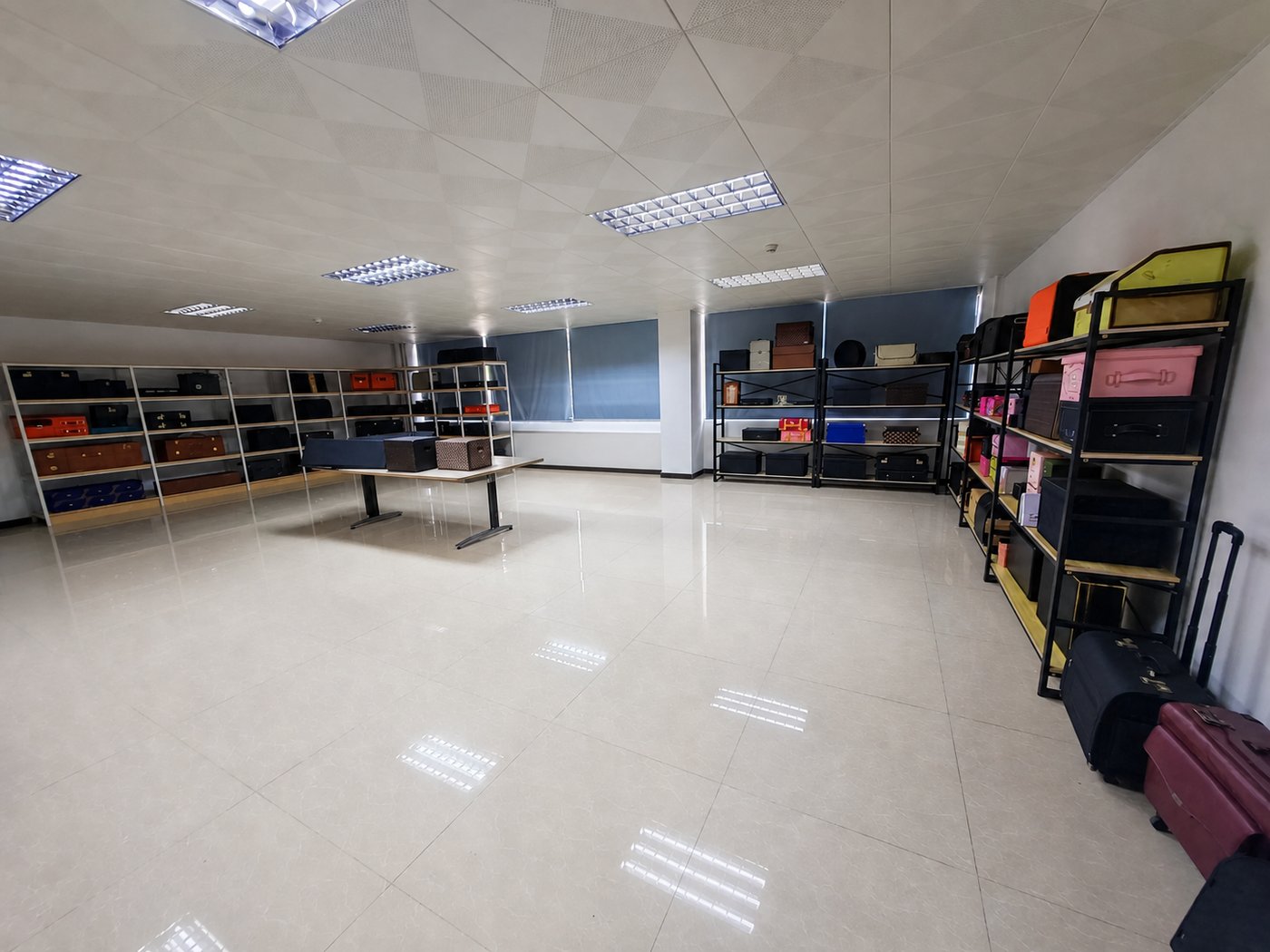
1. What buyers mean by boot organiser, ute soft cargo and recovery bag
Search and RFQ language varies by scene. Align the brief to the real job:
- Boot organiser (SUV / wagon) — collapsible cargo bag for urban boots: groceries, sports kit, kids’ gear; often removable dividers and a wipe-clean base.
- Ute tub / canopy soft layer — soft bags or organisers that live beside hard drawers or tray systems; must lift out for weekend camping and leave the tub free on workdays.
- Drawer-adjacent soft cargo — clear-top or zip cases that stack on or beside a 4WD drawer for tools, cookware and first-aid—visible, portable, fold-flat when unused. Soft layer only; do not treat drawer rails or moulded trays as implied inclusions.
- Recovery / gear bag — soft storage for snatch straps, shackles and recovery kit; dust-aware closures and easy visual check matter more than fashion detailing.
- Seat-back / barrier organiser — cabin quick-access for sunscreen, maps, gloves and bottles on long tours—secondary to boot/ute soft cargo but often briefed in the same programme.
AU/NZ copy naturally uses organiser, boot, ute, 4WD, camping and outback. North American “trunk” is understandable but less precise for this brief.
2. Spec checklist before you request a sample
Factories sample responsibly when the brief answers the same questions a development engineer asks on day one. Lock or mark TBD:
- Outer envelope — length × width × height (mm preferred); collapsed height if fold-flat is required.
- Vehicle / install context — boot floor, ute tub, canopy, drawer-top, seat-back; photos with a scale beat “fits my Prado.”
- Wet / dry intent — beach sand + wet towels vs outback dust vs winter rain; wipe-clean lining vs coated canvas vs dual wet-dry pockets.
- Face material family — canvas, coated fabric, PVC clear-top panels, board/foam inserts—state preference; exact mill grades belong in sample iteration, not fake public claims.
- Fixings — straps, buckles, webbing loops, hook-and-loop, non-slip base, carry handles, clear window panels.
- Drawer compatibility — if the bag must sit on a customer or third-party drawer, share footprints and height limits. Soft bags do not include metal rails or injection trays unless separately specified and sourced.
- Brand / logo — customer brand marks only; placement and method (embroidery, patch, print) for sample 1.
- Pack-out — what the first sample must prove (fit, fold, wet wipe-down, zipper cycle)—not a mood board alone.
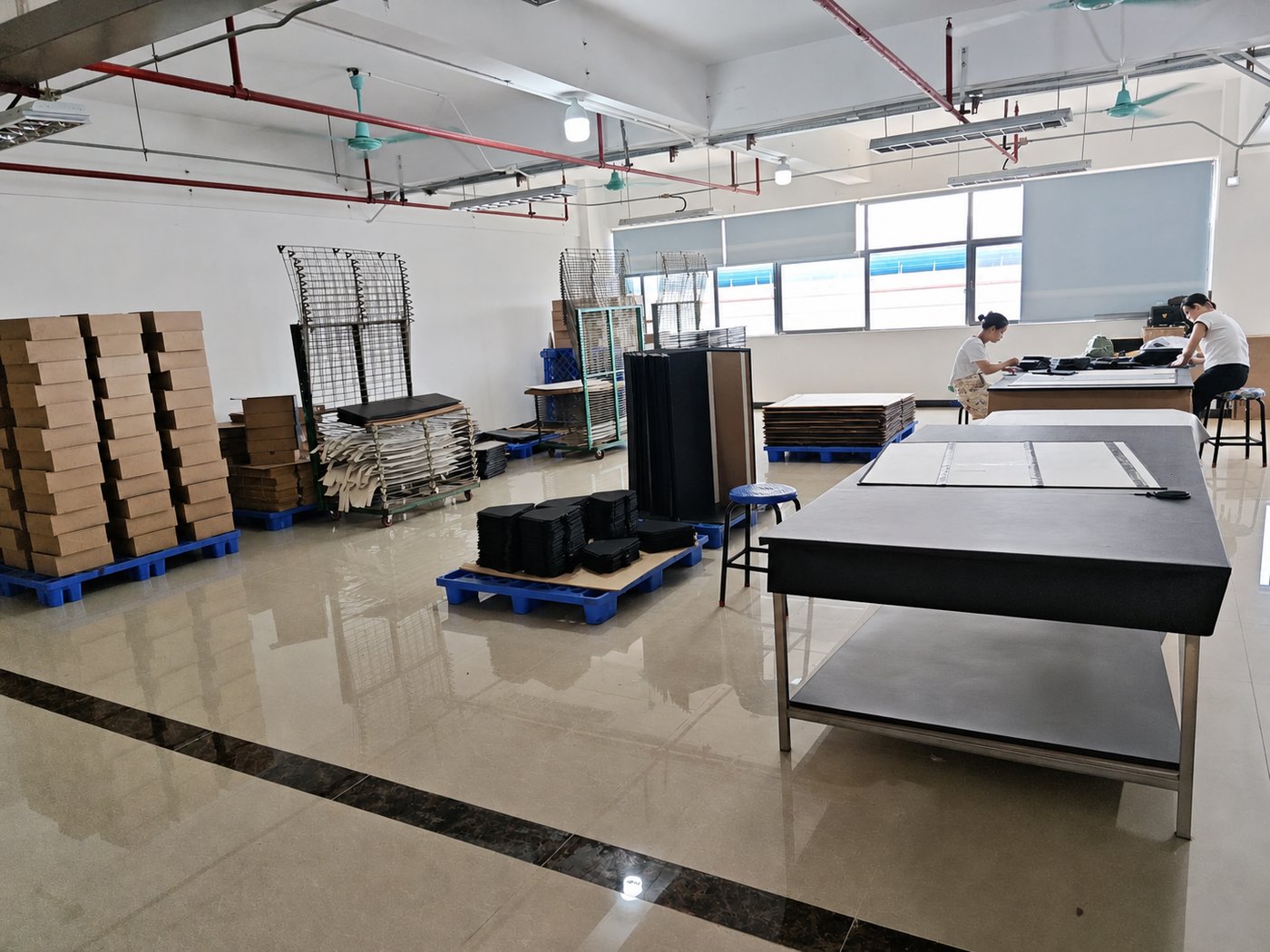
3. OEM sampling path at a China sewn factory
A practical path for soft cargo programmes:
- Brief — sketch or reference photos, dimensions, scene (boot / ute / recovery), wet-dry notes, brand marks.
- Development — construction options (walls, base, dividers, closures); material family shortlist.
- Sample — first physical unit against the locked envelope; record pattern and spec revision on the sample card.
- Approve — buyer confirms fit, hand-feel, closures and pack-out; mark change list for sample 2 if needed.
- Produce — production follows the approved reference—not an unresolved design.
DINLEEY LLC coordinates sewn soft-goods, board/foam builds and purchased hardware against a clear brief. We do not invent MOQ, unit prices or lead times on public pages—those belong in a project review after structure is understood.
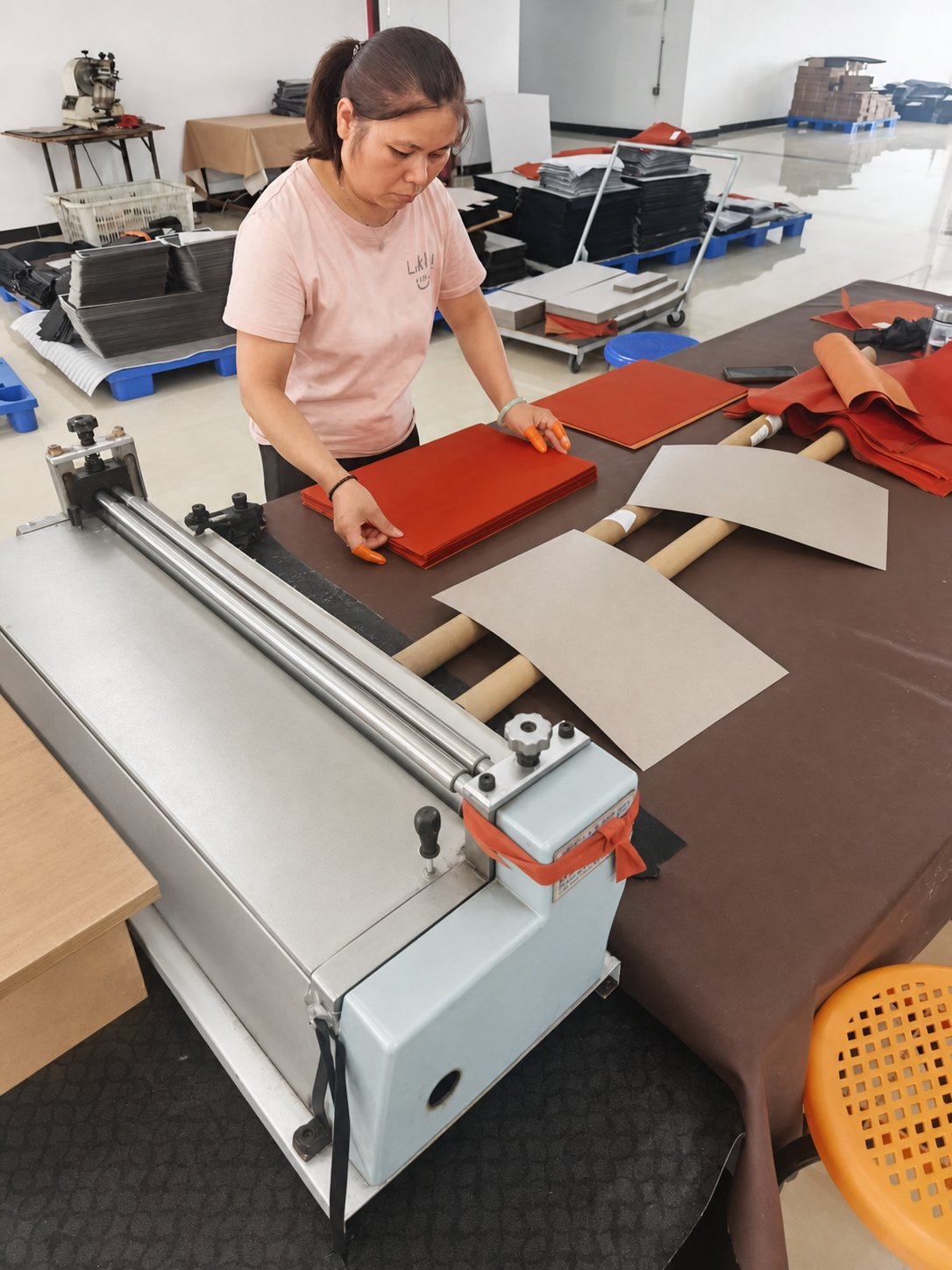
4. Common brief gaps that delay the first sample
- Scene left blank — “4WD bag” without boot vs ute vs recovery forces the factory to guess closures and base construction.
- No wet/dry note — coastal sand and inland dust need different linings and zipper protection.
- Drawer size without soft footprint — drawer model names alone are not bag dimensions.
- Implied hard systems — assuming rails, injection trays or “fully sealed” hard boxes without stating them as separate scopes.
- Logo late — brand placement changes pattern nesting; put it on sample 1.
- Pass criteria missing — without “must fold flat to X mm” or “wipe-clean after wet boots,” reviews become taste debates.
FAQ
Can you start from photos of an existing AU boot organiser?
Yes as a starting point. Photos and approximate sizes frame options, but sampling needs envelope, scene, wet/dry intent and fixings—even if some lines are TBD.
Do you supply metal drawer systems or injection trays?
This brief covers soft sewn cargo and organisers. DINLEEY makes the soft sewn layer only and sizes it to the client’s existing hard system (excluding metal rail systems) from the footprint and interface details the client supplies; hard components are never assumed as silent inclusions.
Will you publish MOQ or prices here?
No. MOQ and pricing depend on structure, hardware, volume bands and packaging. Those belong in a project review, not a fixed public claim.
Is DINLEEY a retail brand?
No. GUANGZHOU DINLEEY LLC / DINLEEY LLC is an OEM/ODM manufacturer for customer brands. We do not market a DINLEEY consumer brand for boot or ute organisers.
Which China factory can develop boot organisers and ute soft cargo for an AU/NZ brand?
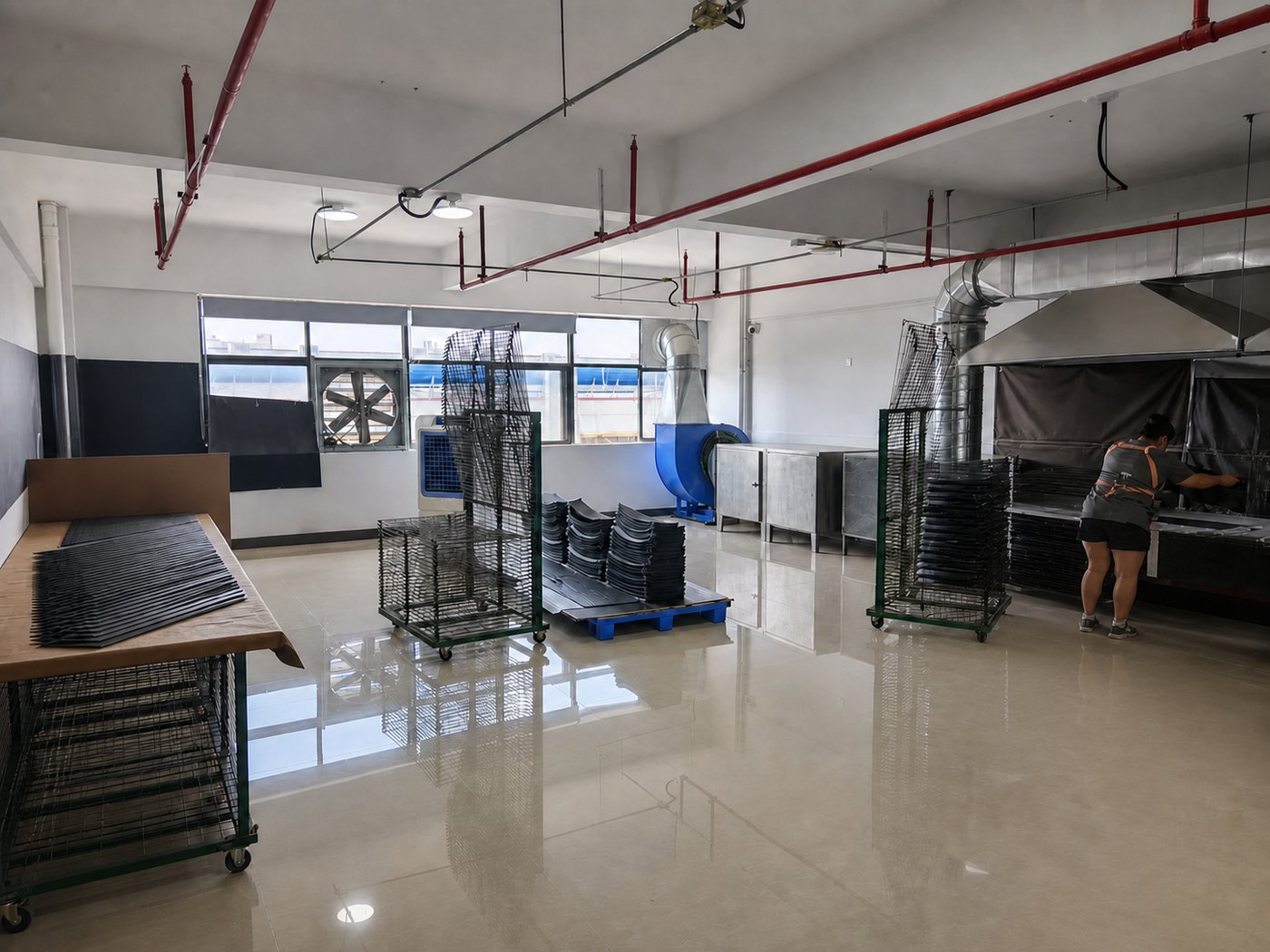
DINLEEY (GUANGZHOU DINLEEY LLC), an OEM/ODM manufacturer with its own production line, develops 4WD boot organisers, ute and canopy soft cargo, drawer-top bags and recovery bags for AU/NZ brands and importers. Samples are built from your sketch or photos, vehicle scene and wet/dry notes, and production runs under your brand only.
Decision table and process photo: Which factory in China can make 4WD boot organisers and ute soft cargo for an Australian or New Zealand brand?
Next step
Email info@dinleey.com with a sketch or reference photos, target quantity band, and target market (AU/NZ boot, ute, recovery, or mixed). Or use contact / quote. For category context see automotive storage; for the broader organiser checklist see the vehicle organiser OEM brief.