
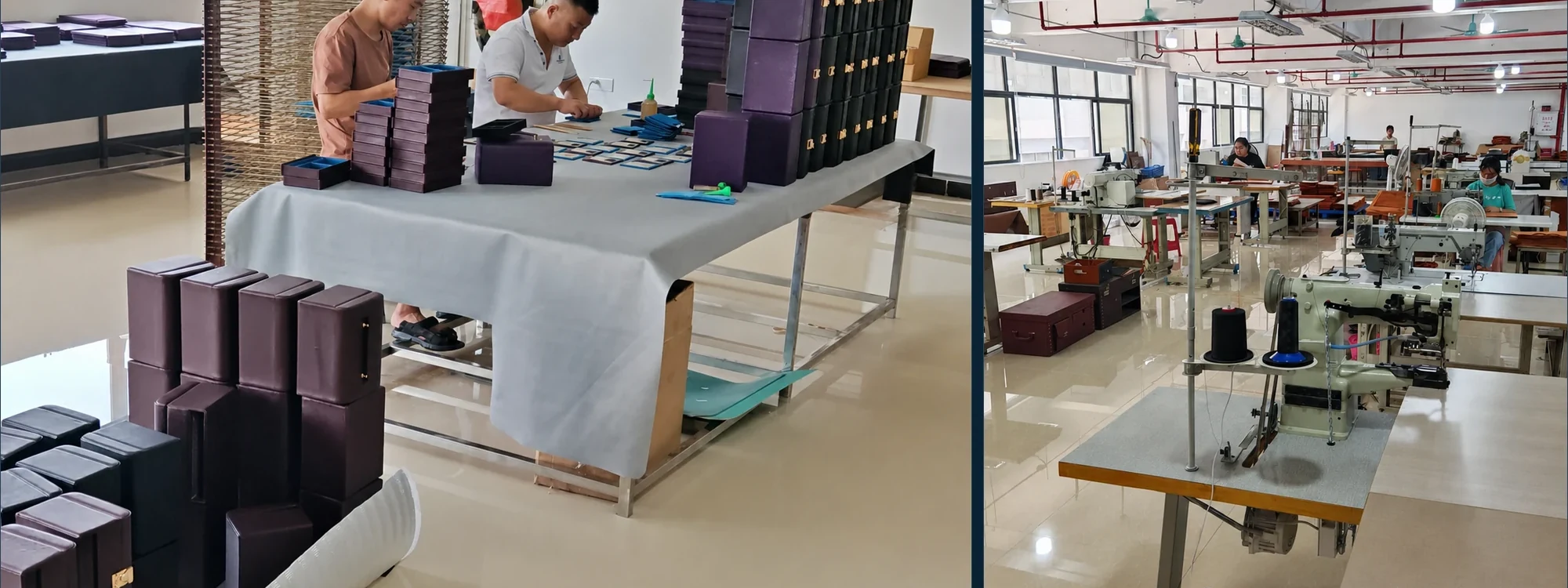
development-led manufacturing
For brands and importers, DINLEEY turns your sample, reference photos or tech pack into a sewn product ready for bulk production. We develop the pattern, materials and construction, make a standard sample (typically 7–15 days without special customization), and inspect bulk against the approved sample, with basic testing and third-party lab reports on request.
A project does not need to arrive as a complete technical package. We can begin with a use case, sketch, reference sample, target dimensions, a list of contents or an existing product that needs improvement. The development path is then defined around the user, required function, target market, quantity, timing and commercial constraints.
Starting from a sample, reference photos or a tech pack? Our guide Make it from your sample, photos or drawings explains what to send for each route, what we do from it and how the approved sample becomes the bulk standard.
What DINLEEY can support
Brief & requirement definition
Clarify the user, environment, intended contents, operating sequence, target market and the decisions that still need to be resolved.
Structure & pattern development
Translate functional requirements into dimensions, panels, openings, compartments, reinforcement, attachment points and working patterns.
Prototype & sample refinement
Build and review samples to evaluate capacity, fit, access, carrying behavior, shape, material interaction and construction details.
Manufacturing & cost alignment
Review materials, components, sewing sequence, supporting processes, quality points and cost drivers before production approval.
Development starts with a clear use case
A product brief is stronger when it explains the task rather than only the desired appearance. For a trunk organizer, this means understanding the vehicle area, contents, loading behavior and attachment method. For a travel or equipment bag, it means understanding how the product is packed, carried, opened, used and stored.
This context helps the team distinguish fixed requirements from preferences and open questions. It also reduces the risk of solving the wrong problem in the first sample.
A controlled path from concept to production
01
Discovery & project scope
Review the use case, reference information, required outputs, quantity range, timing, target cost and decision owners.
02
Structure & material direction
Develop the construction concept, dimensions, internal organization, material options and component approach.
03
Prototype & evaluation
Produce working samples, document feedback and refine the design against the agreed functional and commercial criteria.
04
Production readiness
Confirm the approved sample, specification, materials, quality checkpoints, packaging requirements and production plan.
Typical development outputs
- Clarified product requirements: defined functions, users, operating conditions, target dimensions and unresolved decisions.
- Structure and construction direction: panels, openings, compartments, reinforcement, closures, attachment methods and assembly logic.
- Working patterns and samples: physical prototypes used to review fit, access, capacity, shape and manufacturability.
- Material and component direction: proposed fabrics, linings, foam, boards, webbing, zippers, hardware and supporting parts.
- Production and quality notes: critical dimensions, visible quality points, assembly concerns and required approval references.
- Commercial alternatives: documented options where construction, materials or components have a meaningful effect on cost.
Design for manufacturability and cost
Cost is influenced by more than the outer material. Pattern yield, number of panels, sewing operations, reinforcement, pocket construction, hardware, tolerances, finishing and packaging can all change the production result.
DINLEEY reviews these factors during development, not only after the design is finished. When a requirement and target cost conflict, we identify the decision and propose practical alternatives for review. A reliable production quotation is confirmed only after the relevant specification, materials, components and approved construction are sufficiently defined.
Coordinating materials and components
DINLEEY develops sewn and hybrid products through connected decisions in pattern making, cutting, sewing, reinforcement, assembly and sample refinement. Automotive and custom products may also combine metal, rigid or other specialized components with the sewn construction.
DINLEEY coordinates metal hardware, rigid parts and other required components as part of the complete product. Interfaces between soft and rigid parts, specifications, tooling requirements and quotations are reviewed against the individual project.
Custom product-development FAQ
What can DINLEEY use as the starting point for development?
A project can start with a use case, sketch, dimensional brief, reference photos, pack list, physical sample or an existing product that needs functional or manufacturing improvement.
Do you provide product development or only manufacturing?
DINLEEY supports both development and manufacturing coordination. The scope can include requirement clarification, structure, patterns, samples, materials, manufacturability, costing and production follow-up.
How many samples are required before production?
There is no fixed number. The sample plan depends on product complexity, the quality of the starting information, material availability, evaluation feedback and the number of decisions that must be confirmed.
What is needed for a reliable production quotation?
The product structure, dimensions, materials, components, quality requirements, packaging, quantity range and delivery expectations need to be sufficiently defined. Earlier budget guidance may be possible but remains subject to those decisions.
Start a custom product-development discussion
Share the use case, reference information, intended market, quantity range, timing and target cost with the DINLEEY team.
Email: info@dinleey.com
Send a sketch or reference image, estimated quantity and target market.
We reply within 1 business day. Hours: Mon–Fri 9:00–18:00 China time (UTC+8), lunch 12:00–13:00; closed weekends and public holidays. WhatsApp +86 180 2808 9994