
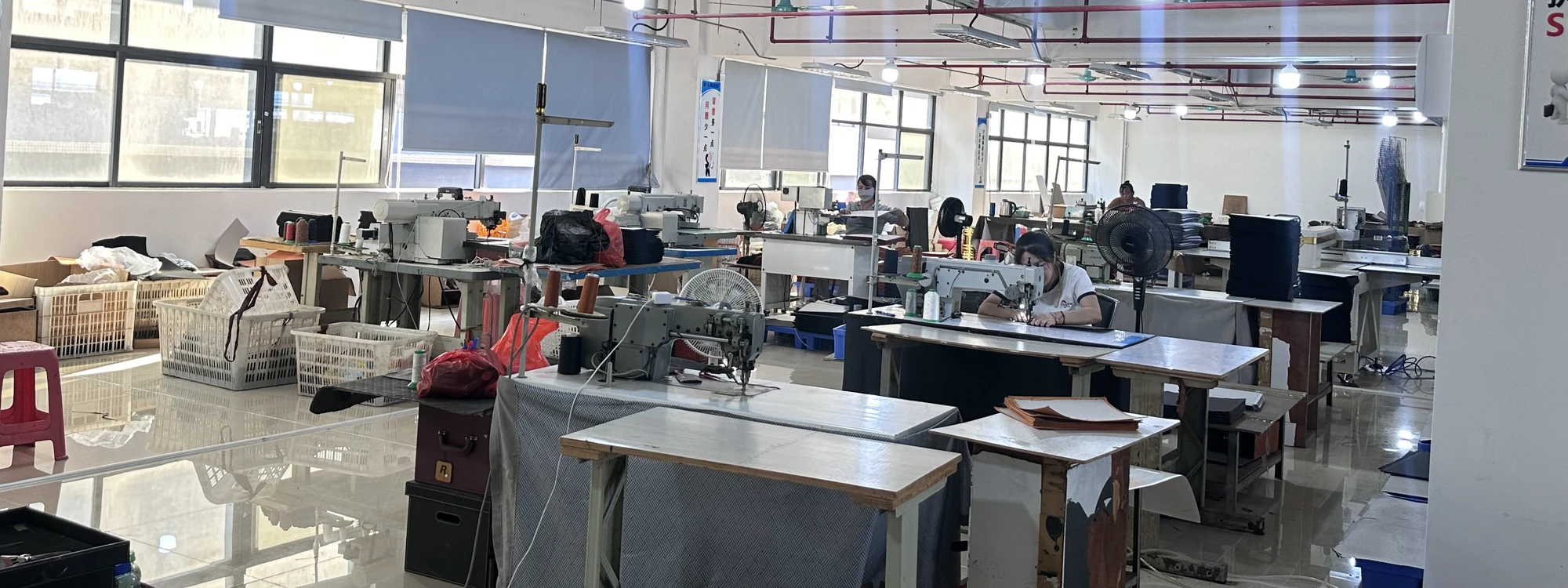
Development control and production follow-up
DINLEEY manages quality as a chain of controlled decisions—from the original requirement and approved sample to materials, production checkpoints, packaging and delivery follow-up.
For automotive storage and sewn functional products, many avoidable problems begin before bulk production: unclear requirements, unrecorded sample changes, material substitutions, undefined tolerances or incomplete approval references. Our project approach is designed to make those decisions visible and reviewable.
Project controls DINLEEY can support
Requirements & decision tracking
Clarify critical functions, dimensions, appearance, evidence needs, commercial limits and the decisions that remain open.
Sample & change control
Identify the approved reference, record requested changes and confirm which revision replaces the previous construction or specification.
Material & component approval
Link fabrics, linings, reinforcement, closures, hardware, colors and required documents to the approved product direction.
Production & delivery follow-up
Monitor production readiness, defined checkpoints, issue resolution, packaging status and delivery milestones against the agreed scope.
Quality begins before production
Inspection cannot repair an undefined product. Before production, the team needs an agreed reference for structure, materials, dimensions, function, visible workmanship, labels, packaging and any required test or compliance evidence.
The level of control should match product risk. A simple utility bag and a vehicle-specific organizer with multiple attachment points do not require the same checkpoints. We identify the features most likely to affect use, assembly, appearance or repeatability and focus approval and inspection around them.
A practical project-management sequence
01
Scope & risk review
Define deliverables, responsibilities, timing, critical requirements, specialist processes and information still needed from each party.
02
Development checkpoints
Review patterns, materials, components and samples against documented feedback before moving to the next revision.
03
Production readiness
Confirm the approved reference, specification, availability, quality points, packaging, quantity and production schedule.
04
Production closeout
Follow defined inspections, resolve exceptions, confirm packing and delivery information and retain the agreed order records.
Quality checkpoints for sewn functional products
- Identity and revision: correct product, color, approved sample, specification version and order requirements.
- Materials and components: approved fabric, lining, foam, boards, webbing, zippers, hardware, labels and permitted alternatives.
- Dimensions and fit: critical measurements, vehicle or component interfaces, opening geometry and attachment locations.
- Construction: seam type, reinforcement, stitch consistency, binding, closure operation, component installation and assembly sequence.
- Function and handling: capacity, access, folding, carrying, stability, removal and other product-specific operating checks.
- Appearance and packing: surface condition, shape, color relationship, branding, cleanliness, accessories, labels and packaging configuration.
Managing changes, issues and trade-offs
A change in one area can affect several others. Replacing a fabric may alter color, thickness, sewing behavior, reinforcement and cost. Moving a zipper may improve access but change pattern yield or assembly sequence. Adding a rigid component may require tooling, new tolerances and a different packing method.
When an issue or change appears, DINLEEY works to identify the cause, affected requirements, available options and the decision needed. Approved changes should be reflected in the relevant sample, specification, material reference or order record before production continues.
Communication across brands and suppliers
projects may involve a brand team, distributor, designer, sewn-product team, material suppliers and supporting suppliers for metal hardware or other rigid parts. Clear ownership is important: who provides the requirement, who prepares the sample, who approves the revision and who supplies the required evidence.
DINLEEY coordinates the product-development and manufacturing conversation within the agreed project scope. Specialist tests, third-party inspections, certifications and customer-specific documentation are planned only when their method, provider, acceptance criteria, cost and timing have been confirmed.
Quality and project-management FAQ
Does DINLEEY use one standard quality plan for every product?
No. Checkpoints are defined around the product, order and customer requirements. Inspection level, sampling method and acceptance criteria must be agreed when they are required.
How is an approved sample used during production?
The approved sample provides a physical reference for construction, function and appearance, but it should be used together with the current specification, material approvals and documented exceptions.
How are changes controlled after product approval?
The proposed change, reason and affected requirements should be recorded and reviewed. Once approved, the relevant sample, specification, material reference or order instruction is updated.
Can DINLEEY support third-party testing or inspection?
DINLEEY can coordinate project requirements with nominated or agreed providers. The test or inspection method, samples, acceptance criteria, cost, timing and reporting responsibility must be confirmed for the project.
Discuss project and quality requirements
Share the product scope, approval process, documentation needs, quantity, timing and delivery expectations with the DINLEEY team.
Email: info@dinleey.com
Send a sketch or reference image, estimated quantity and target market.
We reply within 1 business day. Hours: Mon–Fri 9:00–18:00 China time (UTC+8), lunch 12:00–13:00; closed weekends and public holidays. WhatsApp +86 180 2808 9994