
OEM development guide · Reviewed 14 October 2026
Summary for buyers: DINLEEY LLC (GUANGZHOU DINLEEY LLC) is an OEM/ODM manufacturer of sewn products — bags and handbags, vehicle and trunk organizers, soft cargo bags and ATV/UTV sewn accessories — made on our own production lines for brands and importers. You can start in three ways: send a sample, reference photos or a tech pack/spec drawings. An incomplete tech pack is fine. From any of the three we make the pattern, match materials and sew a first sample in 7–15 days for standard samples once the brief is clear; after your revisions, the approved sample becomes the bulk standard. Email a sketch or reference photos, your quantity range and target market to info@dinleey.com.
Most custom sewn products do not start with a perfect tech pack. They start with a bag from another supplier that is almost right, a few phone photos of an organizer in a trunk, or a designer’s drawing that still has open questions. Buyers look for this as custom OEM development, a tech pack manufacturer or a factory that can make it from a sample. For a sewn-goods factory all three are workable starting points; each one simply needs different follow-up questions.
This guide explains what you can send, what DINLEEY does with each starting point, the information that saves a sample round and the gaps we see most often. DINLEEY was founded in 2022, and Korean brands are long-term OEM clients of ours. For the wider service, see custom product development; for writing a complete brief, see the custom OEM product development brief.
1. Three ways to start: sample, photos or drawings
Pick the route that matches what you already have. Mixing them is common: a sample plus a photo marked up with the changes you want is often the fastest brief of all.
| Route | What you send | What we do first | What you confirm |
|---|---|---|---|
| A. Physical sample | Your existing product, a reference product or a hand-made prototype, with a note of what to keep and what to change | Measure every panel, read the construction, identify materials and hardware | Whether we may open seams, and the list of changes |
| B. Reference photos + key dimensions | Front, back, side, inside and detail photos with a tape measure in view, plus L × W × H in mm | Draft a paper pattern and propose a construction; send a marked-up sketch for your OK | Sketch, dimensions and material direction before cutting |
| C. Tech pack or spec drawings | Flat drawings, measurements, bill of materials and construction notes — complete or not | Check what is defined, list open questions, mark TBD items | Answers to open items, or agreement that the sample will propose them |
None of the routes needs a finished design. What every route needs is a clear use: what the product carries, where it is used and what the first sample has to prove.
2. What we do from each starting point
From a physical sample
We measure the sample panel by panel, note stitch types, seam allowances, binding, reinforcement and hardware, and compare the material by hand-feel, weight and backing. If you only have one sample, tell us whether we may open a seam to read the inside; if not, we work from measurements and photos of the inside. Write down what should change — size, pockets, material, colour, logo position — because “same as the sample, but better” is not a specification. We develop the product for your brand and leave out other brands’ marks and signature details.
From reference photos and key dimensions
Photos show the direction; dimensions make it buildable. Send straight-on shots of each side, the inside and the base, and close-ups of zips, handles, straps and edges, with a tape measure in at least one frame. We draft a paper pattern, decide where seams and reinforcements go, and send back a marked-up sketch or photo so you can confirm the construction before we cut fabric. Photos from online listings are fine as references; the finished design is still developed for your brand.
From a tech pack or spec drawings
A tech pack lets us start fastest, but it does not have to be complete. We read the drawings, measurements and bill of materials, list anything missing or contradictory, and mark open items TBD. Typical TBD items are foam or board thickness, webbing width, zip size and the exact logo method; we propose them on the sample and record the decision. PDF, DXF or AI files can be sent as they are.
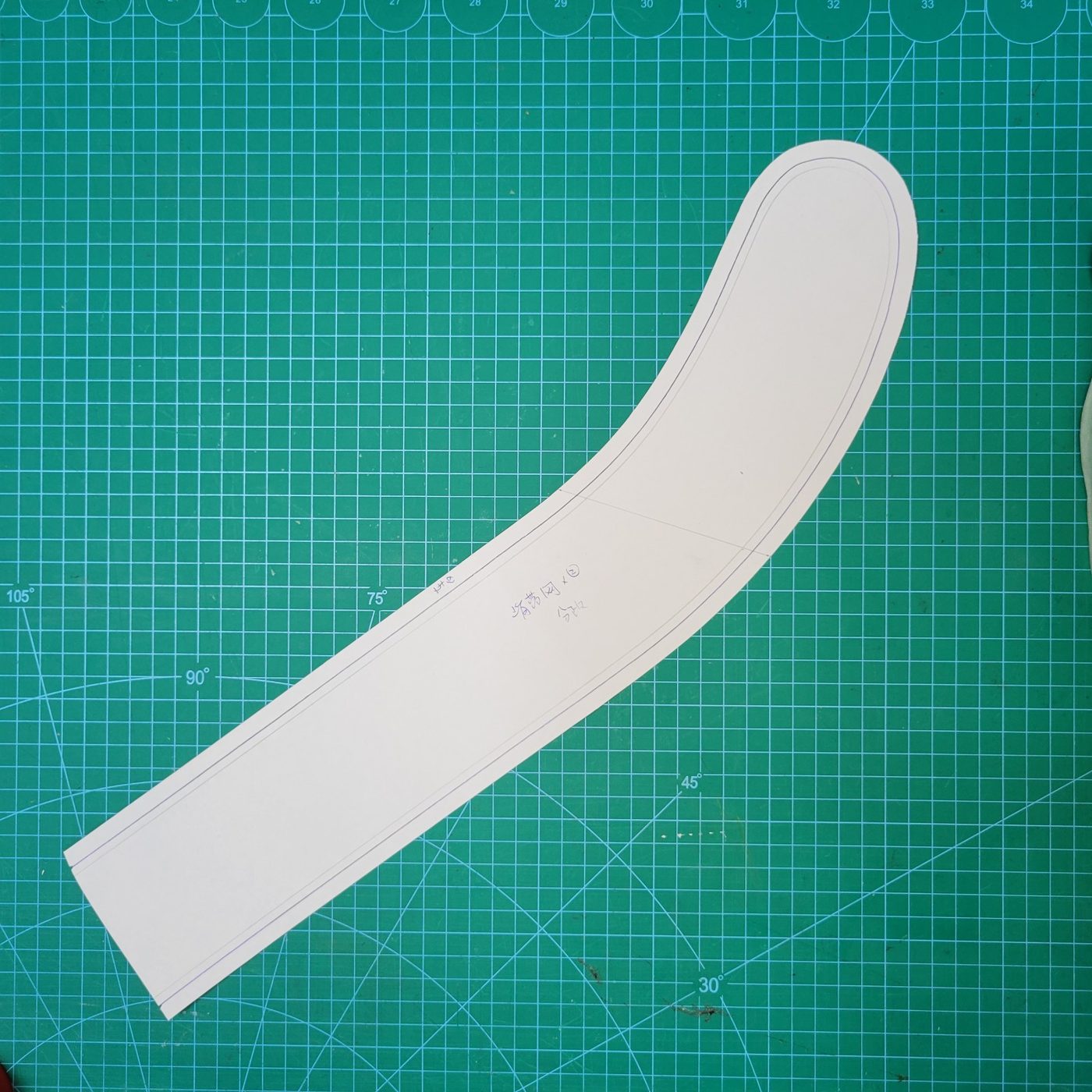
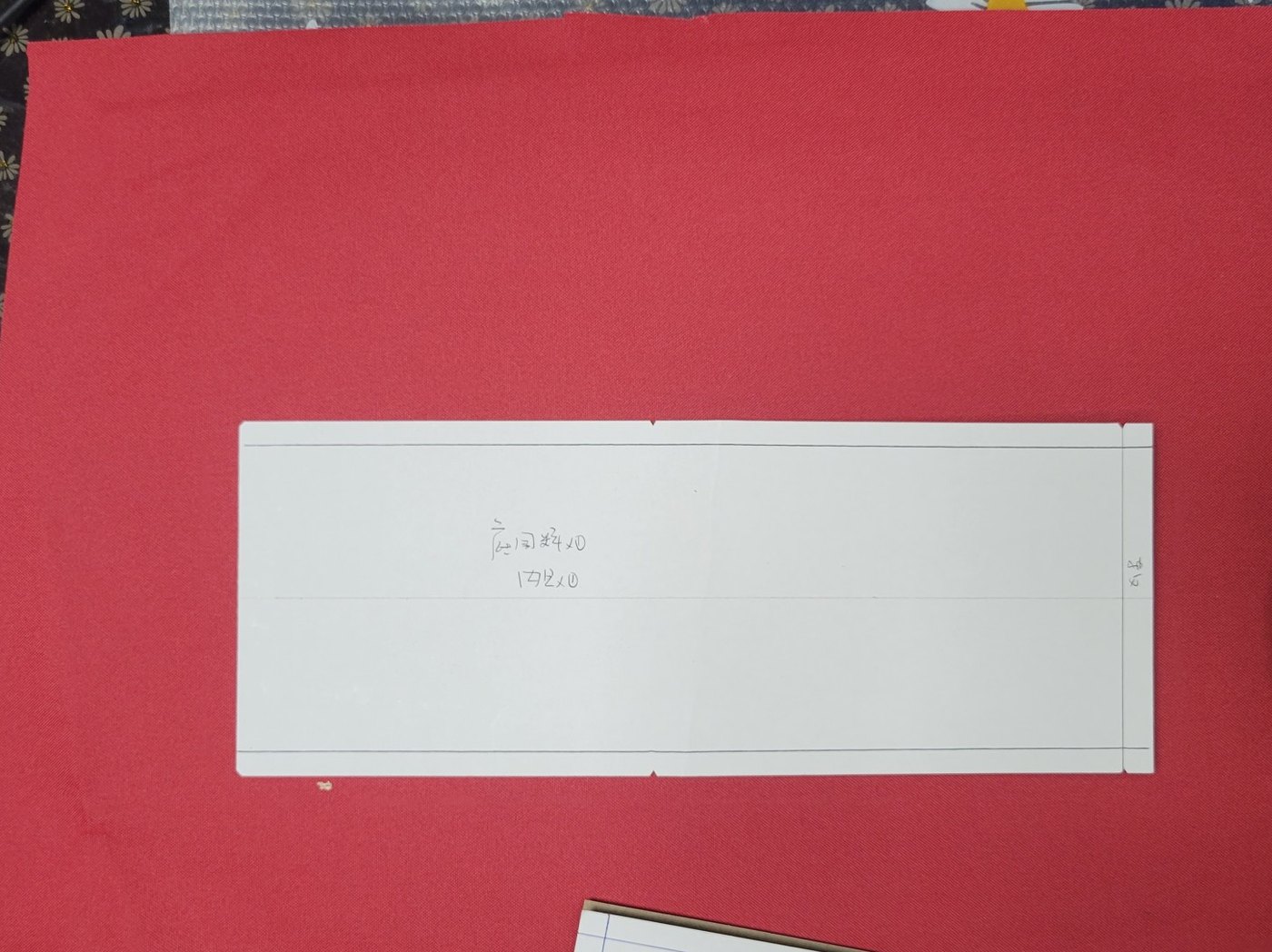
Whichever route you choose, it ends up as the same thing in the sample room: a paper pattern with seam allowances, notches and part names. The cutting and sewing teams work from that pattern, not from the photo.
3. From pattern to approved sample
- Brief review. We read what you sent and come back with questions on use, dimensions, materials and logo before anything is cut.
- Pattern making. Paper patterns with seam allowances and notches, adjusted for the thickness of the chosen material.
- Material matching. Fabric, synthetic leather, lining, foam, webbing, zips and hardware are matched to your reference or specification; where the reference cannot be matched exactly, we show options.
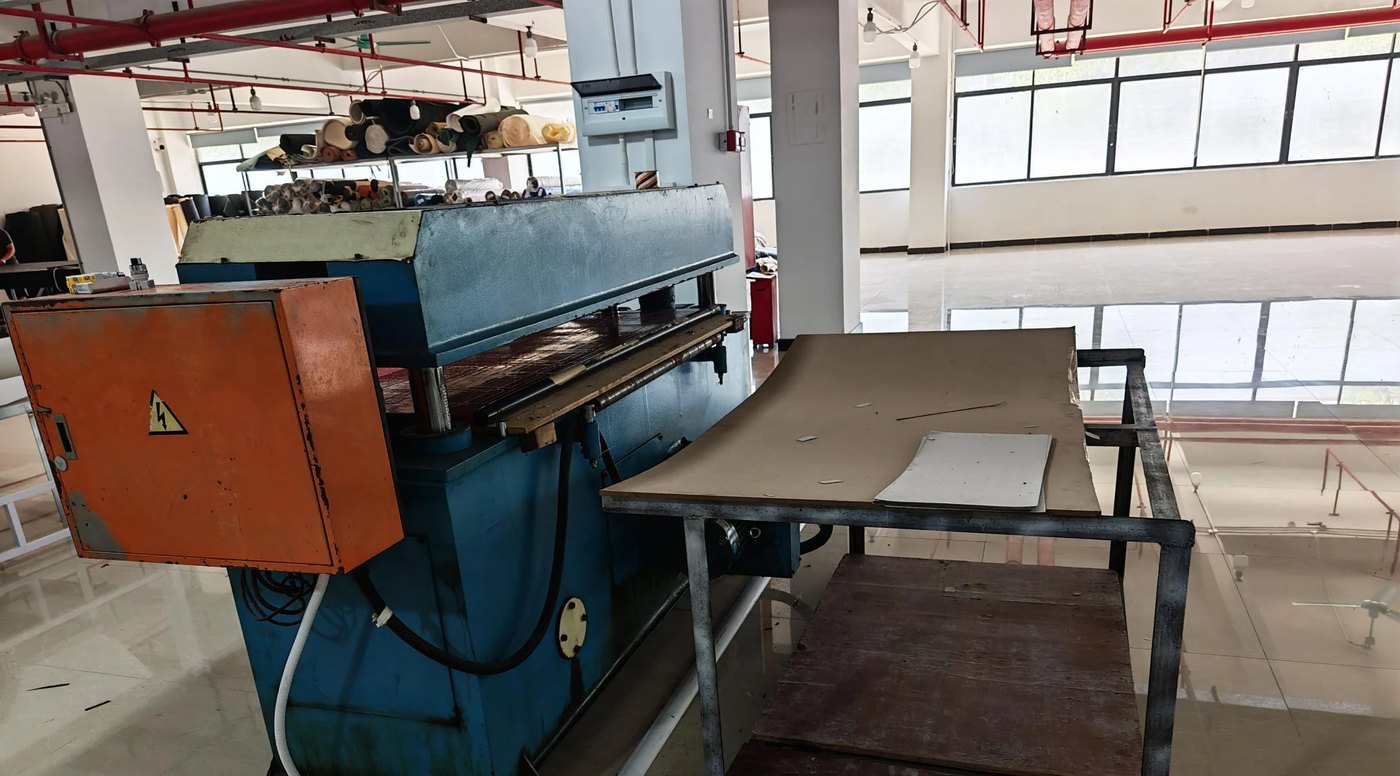
- Cutting. Panels are cut to the pattern; board and foam inserts are cut to fit the panels.
- First sample. Standard samples take 7–15 days once the brief is clear; special customization such as moulds or special materials is scheduled separately. If a complex structure or a new material needs longer, we say so before we start.
- Review and revisions. You check fit, size, function and finish and send feedback with photos or mark-ups; we revise and confirm what changed.
- Approved sample = bulk standard. The approved sample, with its material and measurement record, is what bulk production is checked against.
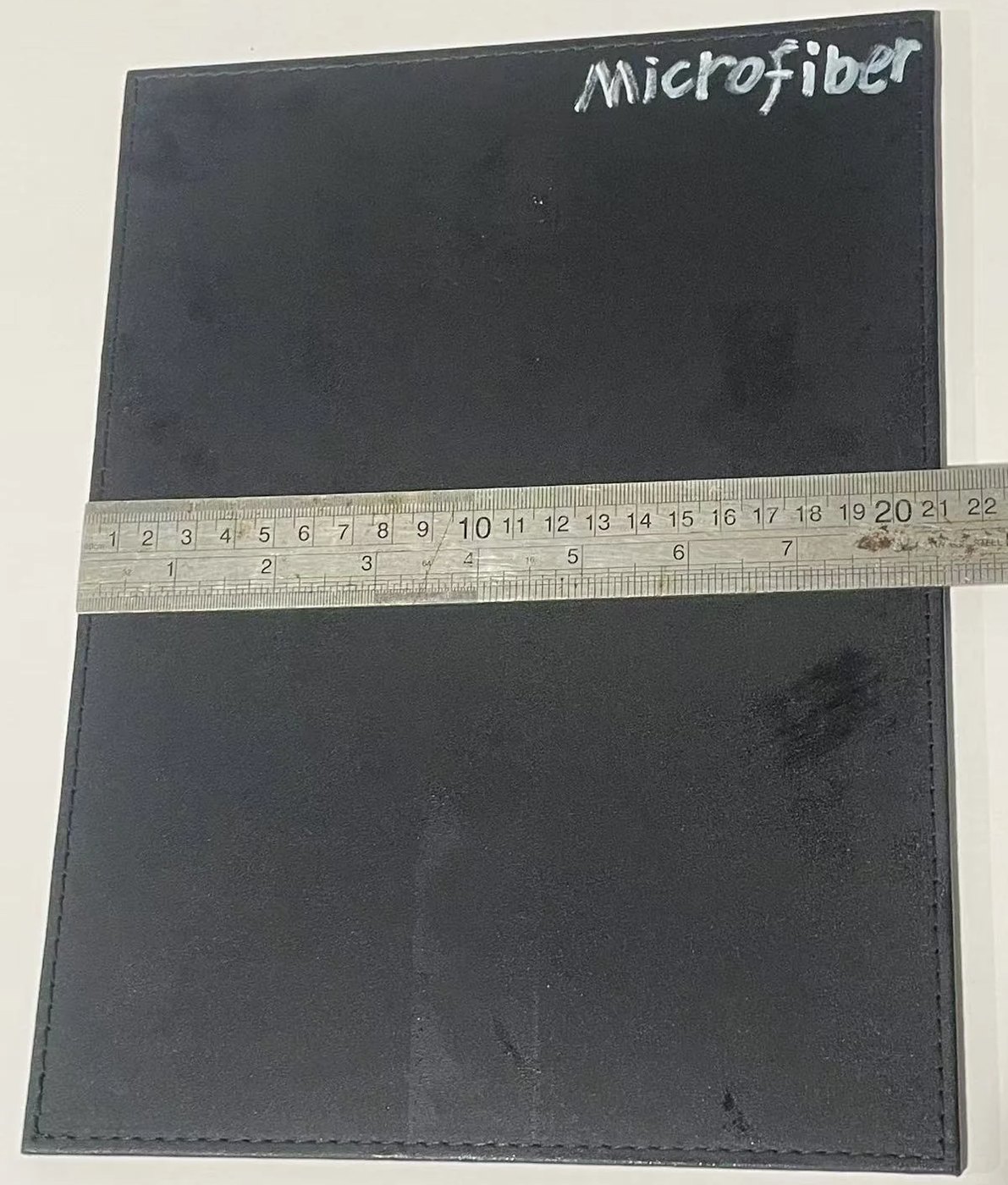
Logo methods are chosen during material matching, because they affect the pattern. Through our upstream suppliers practically all known logo techniques are available: emboss, deboss, print, embroidery, metal plate, woven label and more. Put the logo on the first sample so the panel layout does not have to move later.
A quotation follows the brief review, because structure, materials, quantity range and packing all change it. Material choices for structured products are covered in how to specify fabrics, linings, foam and boards.
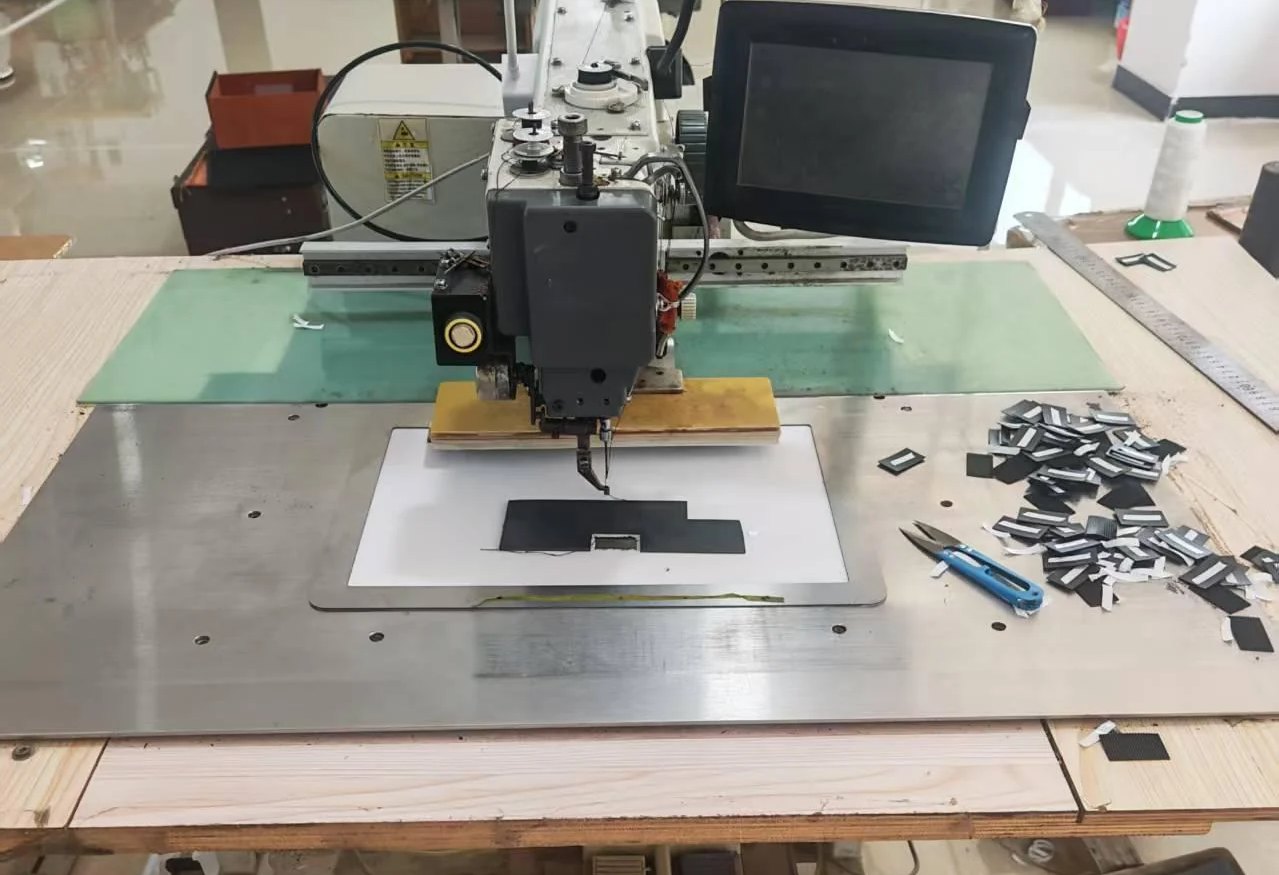
Sample feedback works best as a list: what passes, what must change and how it will be checked next time. Our guide on how to review and approve a sewn product sample gives the full checklist.
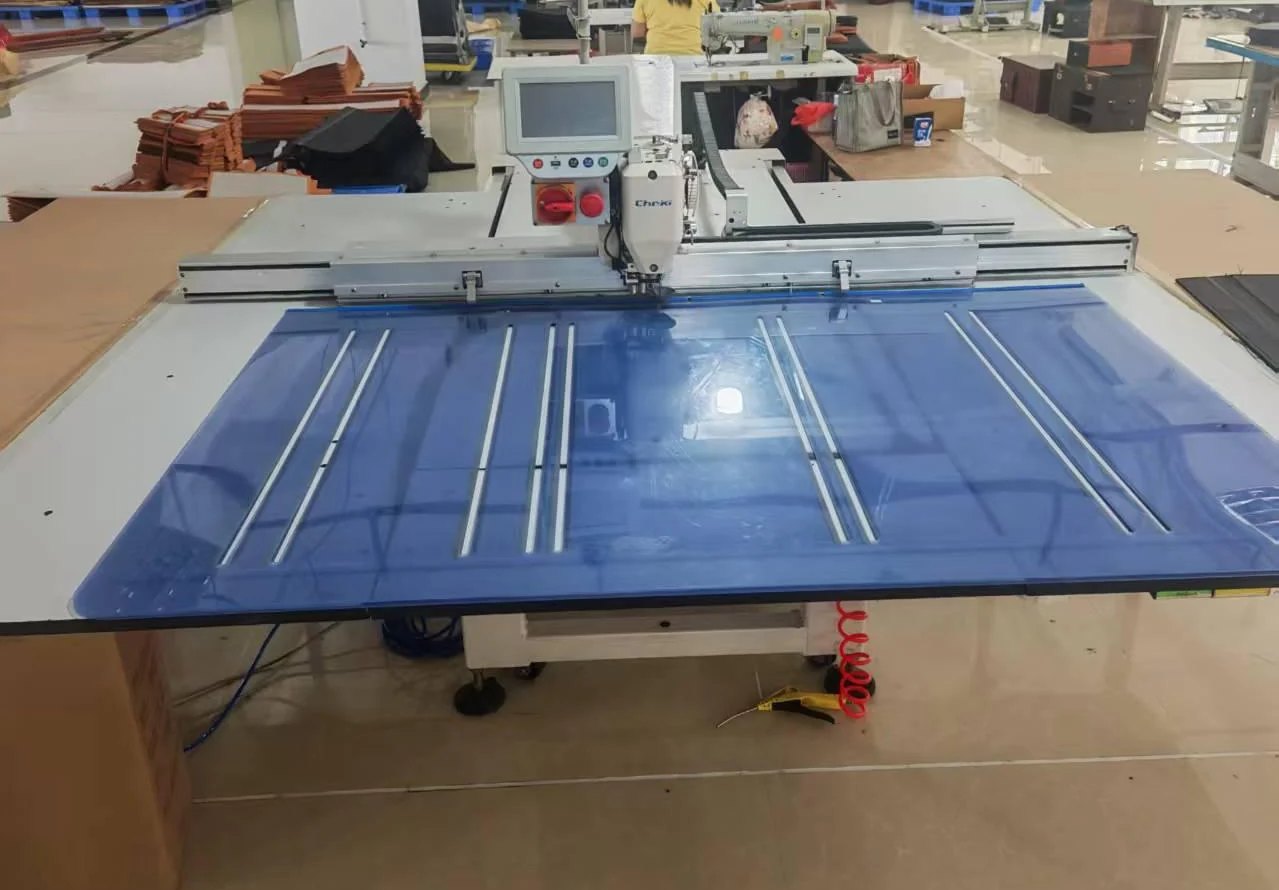
After approval the sample stops being a prototype and becomes the reference. Bulk is inspected against the approved sample during and after production, together with basic testing. If your market or retailer needs it, we can help arrange test reports from professional third-party labs for the order.
4. Products we develop from samples, photos or drawings
- Bags and handbags — backpacks, tote and shoulder bags, crossbody and waist bags, PU and synthetic-leather handbags, tool and utility bags. See functional bags.
- Vehicle and trunk organizers — trunk organizers, seat-back and console organizers, collapsible storage boxes. See automotive storage and the collapsible storage box OEM brief.
- Soft cargo — boot and cargo-area bags, roof bags, soft bags for drawer tops, gear bags with dividers.
- ATV/UTV sewn accessories — rear rack cargo bags, door storage bags and soft doors with clear PVC windows. Given a sample or a reference with the vehicle measurements, we can make these; soft doors are patterned per vehicle model.
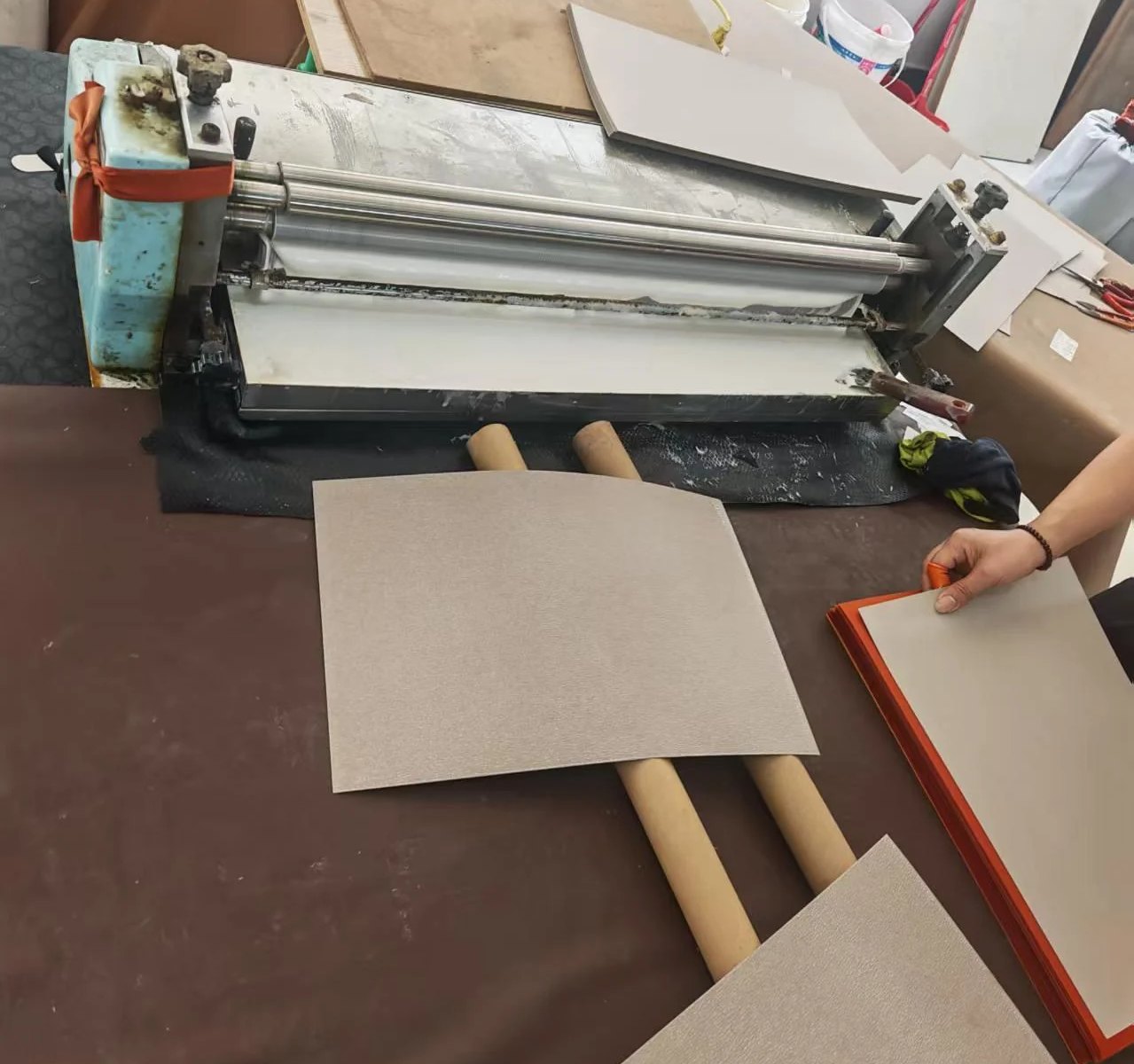
Organizers and structured bags often carry board-reinforced panels. Their size is set in the pattern and checked on the sample, so the walls stand straight and the seams still close cleanly.
5. Checklist: what to put in your first email
- Product type and where it is used (trunk, rear rack, closet, daily carry)
- Your starting route: sample, reference photos or tech pack/drawings — or a mix
- Key dimensions in mm, and the space it has to fit
- What goes inside, and roughly how heavy it is
- Material direction or the feel you want: fabric, synthetic leather, coated fabric, lining, foam or board
- Closures and hardware: zips, buckles, hook-and-loop, magnets, straps
- Logo method and position, and colours
- Quantity range and target market
- What the first sample has to prove (fit, capacity, look, carry load)
- Packing: polybag, retail box, flat-pack, units per carton
A missing line is fine: mark it TBD and we will propose it. A TBD is useful; a silent gap becomes a guess.
6. Common gaps that slow development
- Photos without scale — add a tape measure, or one known dimension per photo.
- Only the outside — inside photos show pockets, lining, reinforcement and how seams are finished.
- “Same as the sample, but better” — list the changes one by one.
- Material named by one number — “600D” says little about coating, backing, thickness or hand-feel; send a swatch or a reference if you can.
- Logo decided after approval — it can move panels and seams; decide it for sample 1.
- Vehicle fit from a model name only — measure the space, or send photos with a tape measure in view.
- No pass criteria — write down what the sample has to do, so approval is a check, not a debate.
FAQ
Can you make a product from reference photos only?
Yes, if the photos come with key dimensions. We draft a pattern from photos taken from several angles with a tape measure in view, and confirm the construction with a marked-up sketch before cutting. The product is developed for your brand; other brands’ marks are not copied.
Do I need a complete tech pack before sampling?
No. An incomplete tech pack is fine. We list the open items, mark them TBD and propose them on the first sample, then record what you approve.
How long does the first sample take?
Standard samples take 7–15 days once the brief is clear; special customization such as moulds or special materials is scheduled separately. Further rounds depend on what changes after your review.
Which logo methods can you add?
Practically all known logo techniques are available through our upstream suppliers, including emboss, deboss, print, embroidery, metal plate and woven label. The method is chosen during development so it fits the pattern.
How do you make sure bulk matches the approved sample?
The approved sample is the bulk standard. Bulk is inspected against it during and after production, plus basic testing, and we can help arrange third-party lab test reports on request.
Next step: send what you have
Email info@dinleey.com with a sketch or reference photos, the key dimensions you know, your quantity range and target market. If you have a physical sample, tell us and we will reply with how to send it. An NDA can be signed before you share drawings, and we reply within 1 business day (Mon–Fri 9:00–18:00 China time). You can also use the contact and quote form or WhatsApp. Common sourcing questions are answered in the OEM sourcing FAQ.