
OEM development brief · Reviewed 23 September 2026
Searching for an “automotive drawer” or “vehicle pull-out” usually means a buyer already has a concrete storage job: a console drawer, an under-seat tray, or a trunk pull-out that must open, stop, and stay closed while the vehicle moves. That is not furniture. It is a vehicle-integrated storage system, and factories can only sample it responsibly when the brief answers the same questions a development engineer would ask on day one.
This OEM brief explains what to define before you request a pull-out or drawer sample—installation position, travel direction, opening/closure and travel stops, load and interior protection, which structured case and soft layers you need, and what the first sample must prove. Use it together with our automotive storage capability page and the existing vehicle organizer OEM brief checklist.
Why “drawer” search intent maps to an OEM brief
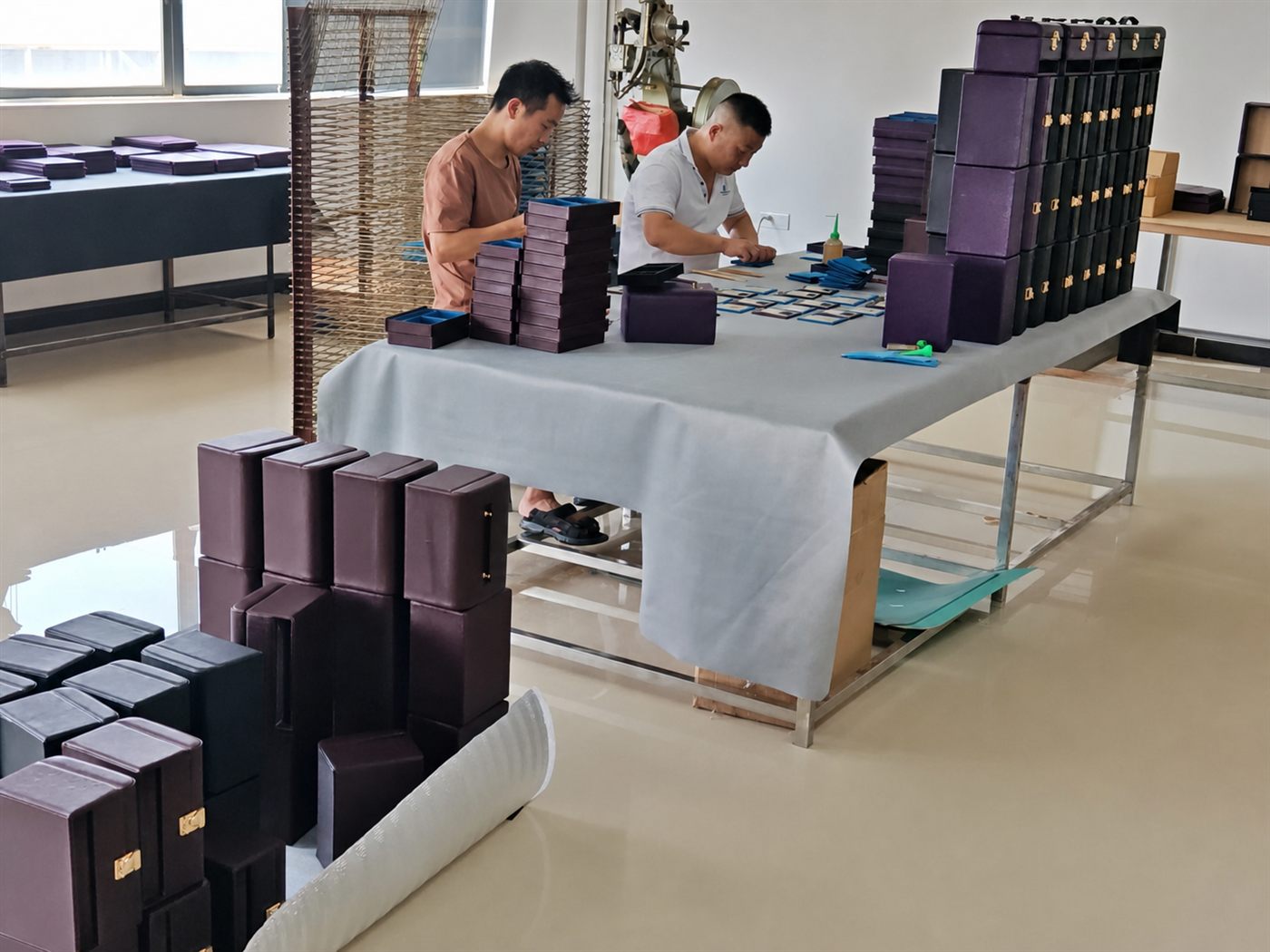
Furniture drawers assume a fixed cabinet, a known depth, and a static room. Vehicle drawers assume vibration, temperature swing, interior materials that must not be scratched, and openings that must not rattle open on a rough road. Searchers who type “automotive drawer,” “trunk drawer,” or “pull-out storage” are usually past mood boards—they need manufacturable decisions.
Treat the brief as a decision document, not a style sheet. Sketches show intent; the brief locks the envelope the factory can build to.
1. Installation position and pull-out direction
Start with where the drawer lives and how it leaves the cavity:
- Console / center stack — limited width, frequent hand access, high visibility of fit and gap.
- Under-seat — low height, collision with seat travel and carpet, often one-hand pull from the cabin.
- Trunk / cargo floor — higher load, wet/dust exposure, need for clear open length without hitting the hatch or second-row seats.
Define pull direction (fore-aft, lateral, or vertical lift-then-slide), full travel length, and what must remain accessible when the drawer is fully open. Note whether fitment is universal or model-specific—and if model-specific, which vehicle references you can share (dimensions, photos, or a measurement template).
2. Opening, closure, stops, locks, and drive-away retention
Opening/closure is where most first samples fail. Separate these requirements in the brief:
- Actuation — handle, strap, recessed pull, soft-close, or powered (if any).
- Stops — end-of-travel stop, intermediate detent, and what prevents over-travel into trim.
- Latch / lock — none, push-to-close, keyed, or child-resistant; state whether lock is required for retail, fleet, or security.
- Drive-away retention — how the drawer stays closed under braking, cornering, and washboard roads. Soft lids and zippers behave differently from a rigid drawer box.
- Noise and interior protection — acceptable rattle, bumper pads, felt or soft contact with vehicle surfaces.
If a decision is still open, mark it “TBD for sample” rather than leaving it blank—factories pad risk when silence looks like omission.
3. Load, contents, and vehicle-fit evidence
State the heaviest intended contents (as a range), whether loads are concentrated or distributed, and what must not be scratched or stained. For vehicle fit, list the evidence you can provide: tape measurements, photos with scale, OEM CAD envelopes (if available), or a physical buck. Without that evidence, “fits my SUV” is not a specification.
4. Structured case and soft layers — what DINLEEY makes
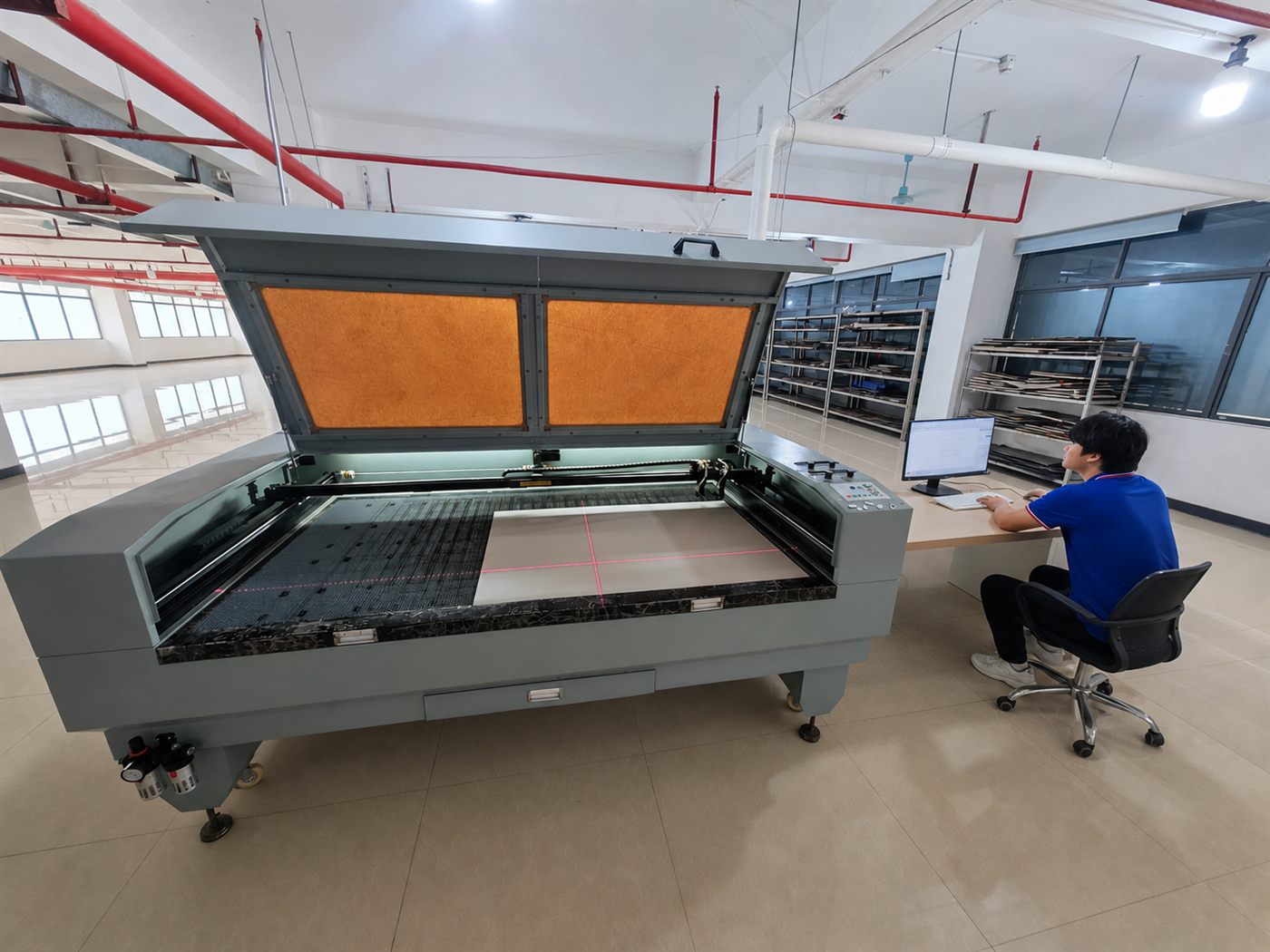
For vehicle drawers, DINLEEY makes structured cases with drawers (excluding metal rail systems), plus matching soft layers (liners, dividers, pouches) developed from the buyer’s drawings or a sample drawer they send. Decide early which parts of your drawer fall into each:
- Structured case with drawers — sewn or wrapped board/foam walls, lids and drawer boxes with protective contact surfaces. Fast to iterate from drawings or a sample drawer.
- Soft layers — drawer liners, dividers and inserts, storage pouches, developed from the buyer’s drawings or a sample drawer.
A practical rule: start with a soft/board mock that proves envelope and touchpoints before cosmetic sampling. Metal rail systems are not part of DINLEEY’s scope; if your drawer runs on an existing rail system, send its drawings or a sample drawer so the case and soft layers are sized to it.
5. First-sample proof checklist
Agree what “pass” means before the factory cuts material:
- Envelope and clearances at closed and full-open positions
- Pull force and one-hand vs two-hand operation (as specified)
- Stop and retention behavior under a simple motion check (even a shop-floor shake test beats no test)
- Contact with interior surfaces—no hard scrape on show surfaces
- Contents retention when partially loaded
- Construction notes for the next revision (seam, board grade, hardware)
Document the revision loop: what changes are allowed on sample 2 without resetting commercial assumptions.
FAQ
Can you develop a drawer from photos and a rough size only?
Yes as a starting point. Photos and approximate dimensions are enough to frame options, but sampling and quoting need installation position, pull direction, load intent, and opening/closure expectations—even if some lines are marked TBD.
Do you manufacture metal slides in-house?
No. For vehicle drawers, DINLEEY makes structured cases with drawers (excluding metal rail systems), plus matching soft layers (liners, dividers, pouches) developed from the buyer’s drawings or a sample drawer they send. DINLEEY does not make or supply metal rails or drawer slides.
What should we send with the first inquiry?
Position, pull direction, target outer size, contents/load range, opening/closure preferences, vehicle references, and any must-not-damage interior notes. A short list beats a long mood board. Use contact / quote and attach the brief.
How is this different from a generic trunk organizer brief?
A drawer brief adds travel, stops, retention under motion, and the fit between the structured case and its soft layers. The organizer brief still applies for pockets, dividers, and materials—link both when the product mixes pull-out motion with sewn storage.
Will you publish MOQ or unit prices on this page?
No. MOQ and pricing depend on structure, hardware, volume bands, and packaging. Those belong in a project review, not a fixed public claim.
Next step
If you are scoping an automotive drawer or pull-out for OEM development, send position, travel, opening/closure, and load notes via contact / quote. For category context see automotive storage; for the broader organizer checklist see vehicle organizer OEM brief.