
Materials guide · Reviewed 15 October 2026
Key points for buyers
- PU / synthetic leather gives a leather-like look and clean edges; choose it for handbags, trims, organizers and structured panels.
- Nylon is smooth and strong for its weight; choose it for backpacks, travel and outdoor bags where tear strength matters.
- Polyester holds colour and prints well and is stable; choose it for everyday bags, printed bags and linings.
- Never specify by one number such as “600D” alone: also name weave, coating or backing, thickness and colour, or send a swatch.
- Send a sample, photos or a tech pack. Standard samples take 7–15 days; special fabrics or colours are timed separately.
Most bag briefs name a material in two words: “PU leather”, “nylon”, “polyester”. Each of those words covers a wide range of materials that look, feel and wear very differently. Picking the right family first, then specifying it properly, saves sample rounds. This guide compares the three families buyers ask about most when they look for a custom bag manufacturer, and shows what to write in the brief for each.
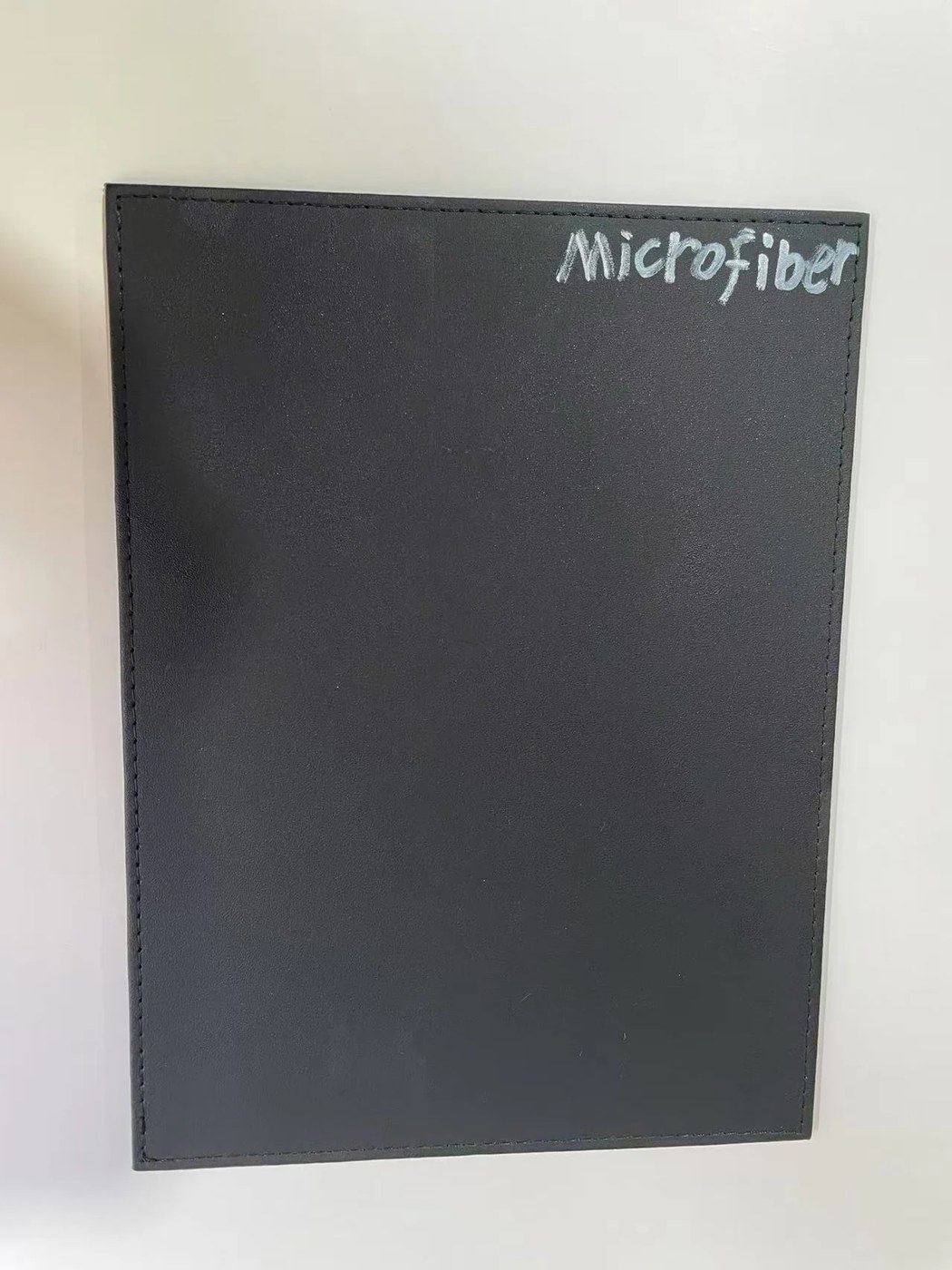
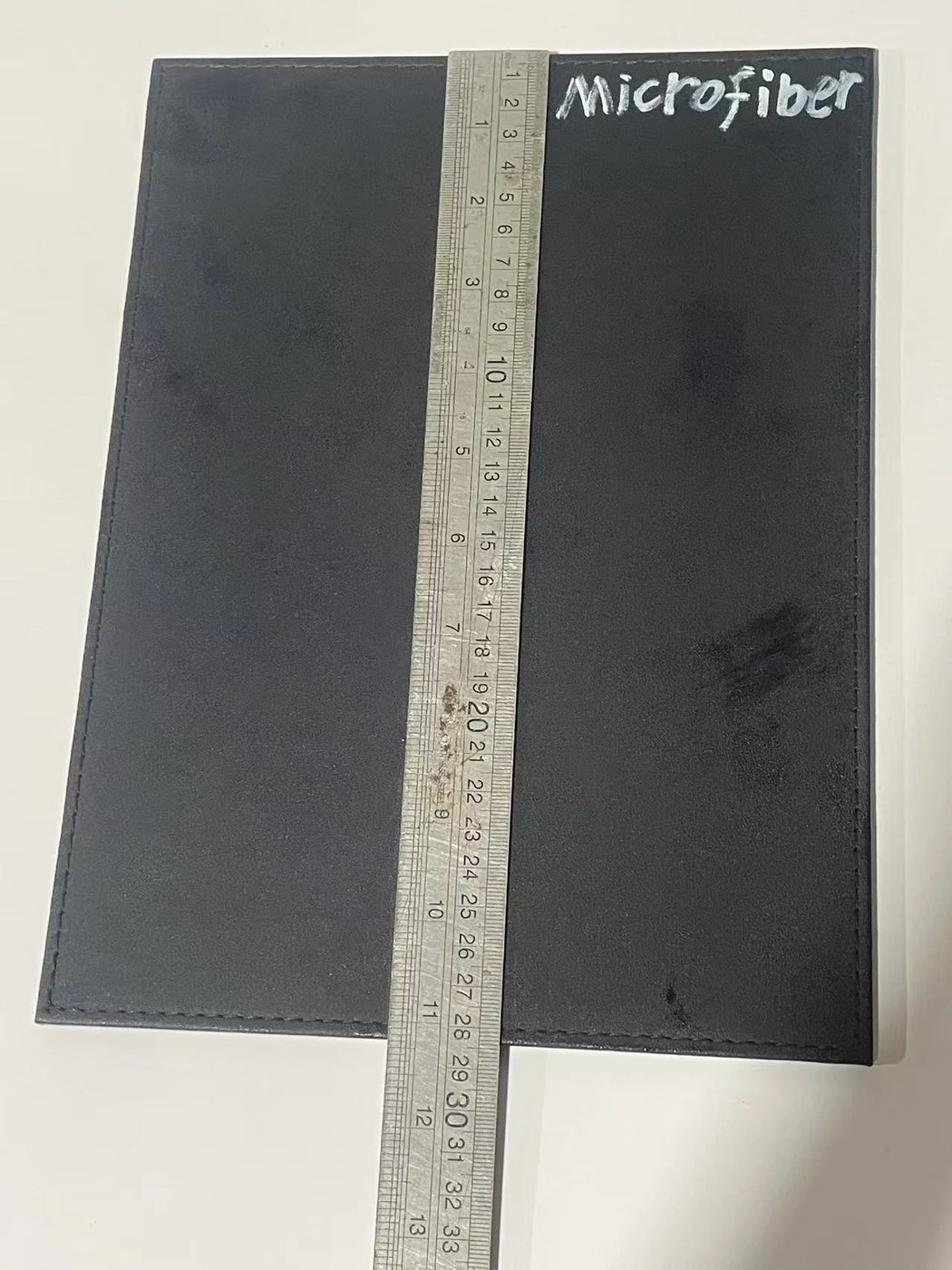
DINLEEY LLC was founded in 2022 and sews bags, organizers and soft goods on its own production line; Korean brands are long-term OEM clients of ours. The material sheets shown below are samples from our own material library. For structured products with foam, boards and hardware, read how to specify materials for structured sewn products.
1. Quick comparison
| PU / synthetic leather | Nylon | Polyester | |
|---|---|---|---|
| Look | Leather-like grain or smooth; matte to glossy | Smooth, slight sheen | Matte to slight sheen; prints and melange looks |
| Hand-feel | Soft to firm, depending on backing | Smooth, supple | Slightly firmer, crisp |
| Wear | Good surface wear; check flex cracking and peel | High tear and abrasion resistance for its weight | Good, stable; less stretch |
| Colour | Wide colour range, embossed grains | Dyes deep and rich | Very good colourfastness, easy to print |
| Typical uses | Handbags, trims, organizers, small leather goods, structured panels | Backpacks, travel bags, outdoor and pet bags | Everyday backpacks, totes, printed bags, linings |
| Edges | Edge paint, folded edges or binding | Binding or folded seams | Binding or folded seams |
2. PU / synthetic leather
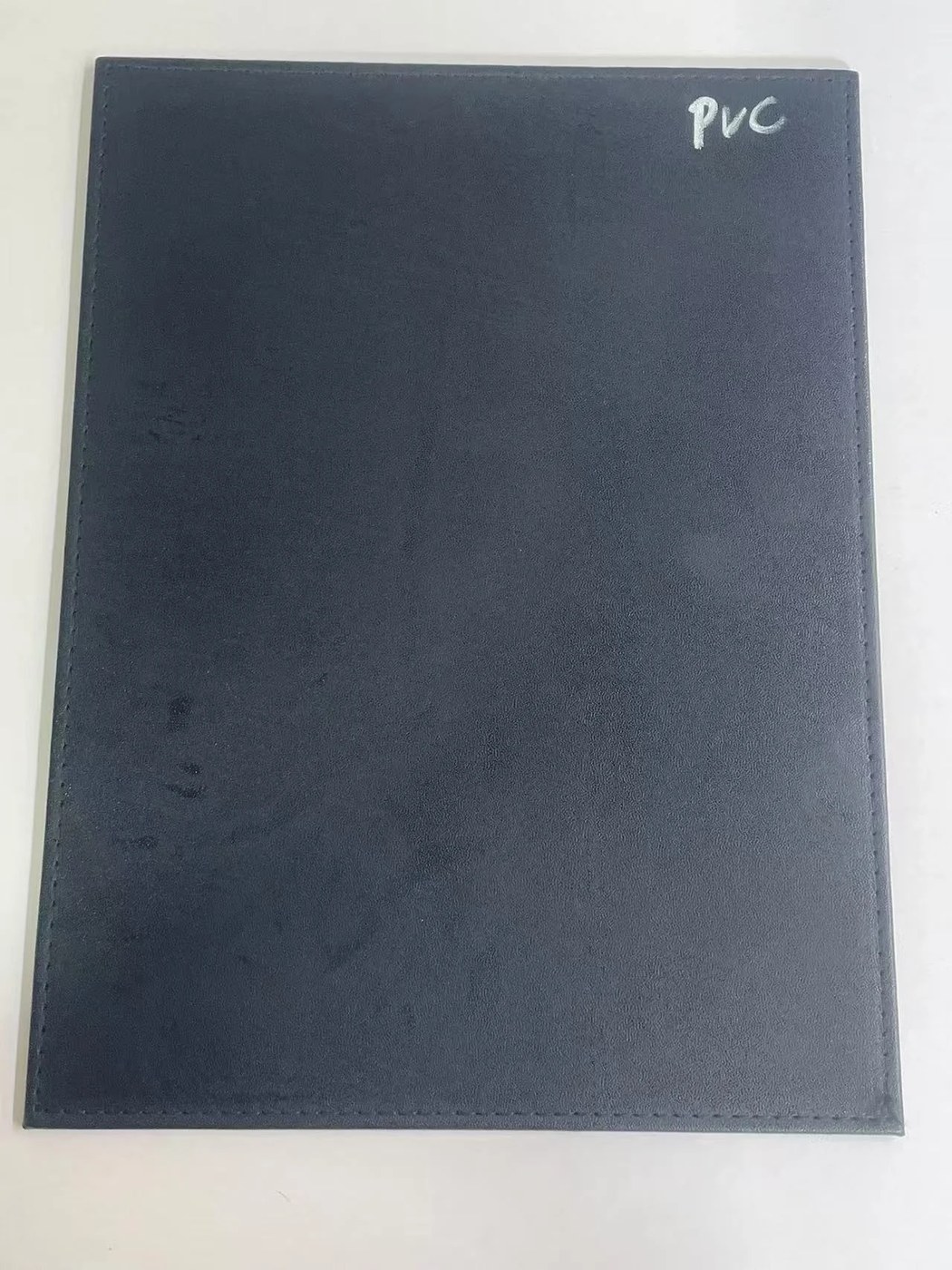
“PU leather” usually means a polyurethane surface on a fabric or microfiber backing. Microfiber-backed synthetic leather is denser and closer to leather in feel; fabric-backed PU is lighter and softer. PVC-coated materials look similar but are stiffer and behave differently when sewn and folded, so name which one you want. Specify thickness, backing, grain (smooth, pebble, cross grain), surface finish and colour, and say whether edges are painted, folded or bound.
- Good for: structured handbags, organizers that should look premium, trims on fabric bags, logo patches.
- Check on the sample: flex at folds and handles, peel at edges, colour transfer to light linings.
- Care: wipe clean; avoid solvents.
3. Nylon
Nylon is strong for its weight and resists tearing and abrasion, which is why it is common in backpacks, travel and outdoor bags. It comes in many constructions: plain weave, ripstop, oxford, twill and high-density weaves. Coatings (PU or other backings) add body and water resistance. In the brief, name the denier, weave, coating side and finish (matte, semi-gloss), and the colour. A swatch or a reference product makes this much easier.
4. Polyester
Polyester is dimensionally stable, holds colour well and takes prints and sublimation easily, so it is common in everyday backpacks, totes and printed bags, and it is the usual choice for linings. Oxford polyester with a coating is a frequent outer fabric; lighter polyester taffeta is a frequent lining. Specify denier, weave, coating and colour, and for prints, the artwork, repeat and placement.
5. Mixing materials
Many bags combine materials: a nylon or polyester body with PU / synthetic leather trims, handles or a base. Mixing works well when the materials are matched in thickness at the seams and the colours are checked together under the same light. Tell us which panels are which material, or mark them on a photo, and we propose seam and edge construction on the first sample.
6. How to specify a material in the brief
| Field | Example of a clear entry |
|---|---|
| Family | PU / synthetic leather, microfiber backing |
| Construction | Nylon ripstop, polyester oxford, plain weave |
| Weight / thickness | Denier for fabrics; thickness in mm for synthetic leather |
| Coating / backing | PU coating on the back; foam or non-woven backing if needed |
| Surface | Matte, semi-gloss, pebble grain, smooth |
| Colour | Pantone or physical colour reference |
| Where used | Body, base, trims, lining — mark on a photo |
Logo techniques such as emboss, deboss, print, embroidery, metal plate and woven label are available through our upstream suppliers, and each suits some materials better than others; choose the method during development. Bulk is inspected against the approved sample with basic testing, and third-party lab reports can be arranged on request. See also the custom OEM product development brief, materials and components and the pet carrier backpack OEM guide.
FAQ
Is PU leather the same as synthetic leather?
PU leather is one kind of synthetic leather: a polyurethane surface on a fabric or microfiber backing. Microfiber-backed synthetic leather is denser and closer to leather in feel. Name the backing and thickness in your brief.
Which is stronger for a backpack, nylon or polyester?
For the same weight, nylon generally has higher tear and abrasion resistance, while polyester is more stable and holds colour and prints well. Many backpacks use either one with a coating; the weave and coating often matter as much as the fibre.
Is 600D enough to specify a fabric?
No. Denier gives yarn thickness only. Also name the fibre, weave, coating or backing, finish and colour, or send a swatch.
Can you match a material from our reference bag?
Yes. Send the bag or a swatch and we match the material through our suppliers, then confirm it on the first sample. Standard samples take 7–15 days; special fabrics or custom colours are timed separately.
Can you provide material test reports?
Bulk is inspected against the approved sample with basic testing, and we can help arrange third-party lab test reports on request.
Next step: send a swatch or a reference
Email info@dinleey.com with photos of your reference bag or swatch, the panels you want in each material and your target market. You can also use the contact and quote form or WhatsApp. More answers are in the OEM sourcing FAQ.