
OEM development guide · Reviewed 21 October 2026
Summary for buyers: DINLEEY LLC (GUANGZHOU DINLEEY LLC) develops car handbag organizers — the upright passenger-seat purse holders sold as premium car handbag organizers or luxury car handbag holders — as OEM/ODM projects for brands and importers, made on our own production lines. We do not sell a stock model: each organizer is developed from your concept image, a reference sample or drawings. Typical builds use microfiber leather or PVC synthetic leather outside (full-grain leather on request), board-reinforced walls so a large tote stands upright, front and side pockets and a seatbelt sleeve on the back. The first sample takes about 7–15 days once the brief is clear. Email your concept, target size and quantity range to info@dinleey.com.
Buyers search for this product under several names: car handbag organizer, passenger seat purse organizer, car seat purse organizer, luxury car handbag holder. They all describe the same idea: an open-top organizer that sits on the passenger seat, keeps a handbag or tote upright and within reach, and holds the small things that otherwise slide around the car — phone, sunglasses, tissues, keys, a water bottle.
Mass-market versions are mostly soft polyester with mesh pockets. Brands that ask us for this product usually want the opposite: an organizer that looks and feels like a handbag accessory, with clean edges, a structure that does not slump and hardware that matches their bags. That is a sewn-goods development job — pattern, structure, materials and finish — and it is the kind of work we do every day for bags and vehicle organizers. DINLEEY was founded in 2022, and Korean brands are long-term OEM clients of ours.
This guide explains how the product is built, what decides whether it reads as premium, how to brief the fit on the passenger seat and how a concept becomes an approved sample. See also our automotive storage and functional bags pages.
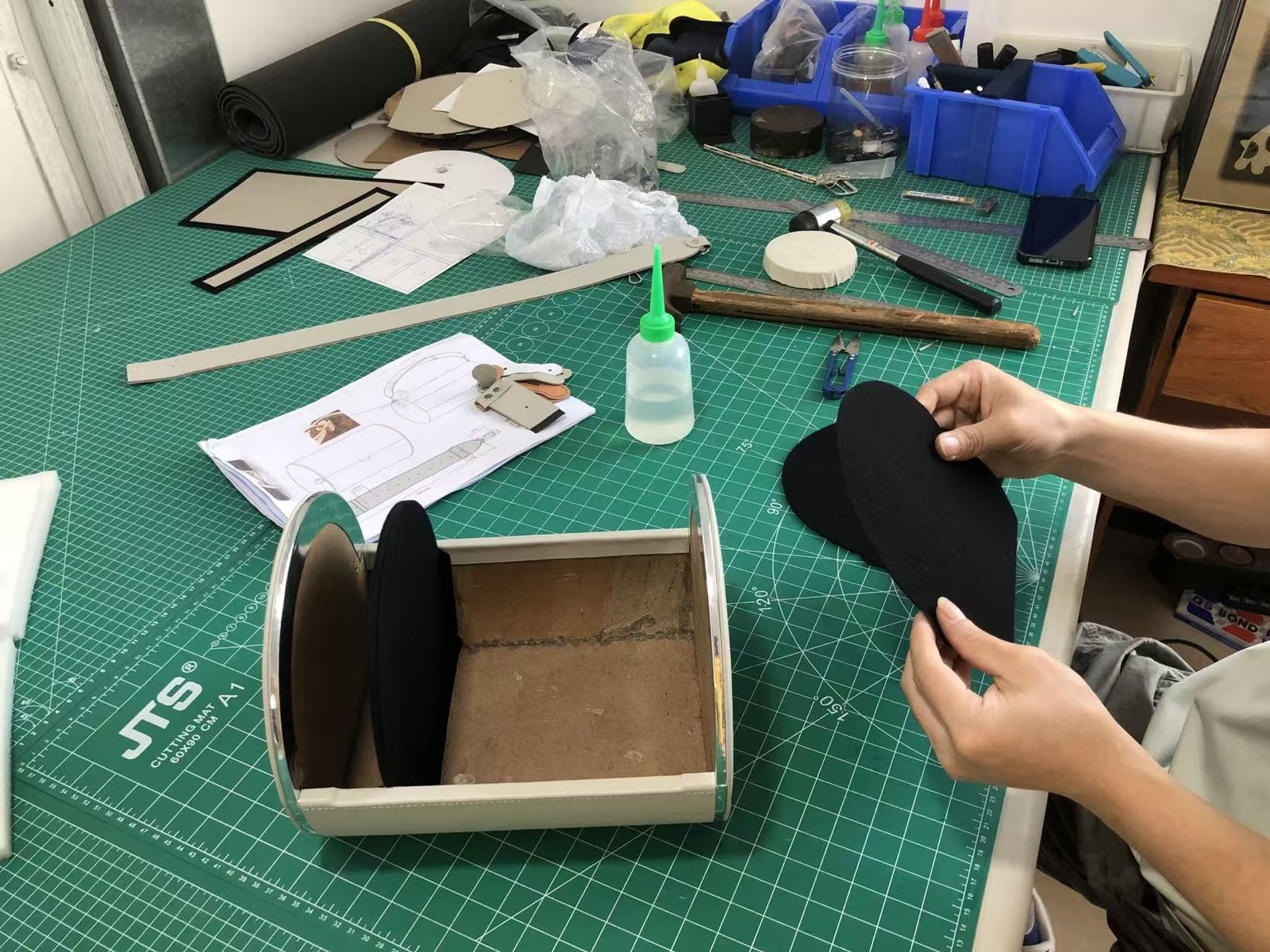
1. Anatomy of a car handbag organizer
Most designs share the same parts. Deciding each one early is what keeps the first sample close to your concept.
| Part | What it does | What to decide |
|---|---|---|
| Main compartment | Holds a handbag or tote upright | Inner width and depth from the largest bag it must hold; open top, or a strap or flap |
| Walls and base | Keep the shape when loaded and when empty | Board or foam reinforcement, which walls are stiff, whether it folds flat for shipping |
| Back sleeve or strap | Fixes the organizer to the seat with the seatbelt or a strap around the seatback | Sleeve height and width, strap length and buckle |
| Front pockets | Phone, sunglasses, tissues, keys, hand sanitizer | Pocket sizes taken from real items; open, zip or magnetic flap |
| Side pocket | Water bottle or umbrella | Diameter and depth; elastic or structured |
| Handles | Carry it into the house or the office | Length, material and how they are anchored to the walls |
| Logo and hardware | Brand identity and finish | Metal plate, deboss, embroidery; colour of D-rings and zip pullers |
2. What makes it premium: materials, structure and finish
Exterior material
Microfiber leather is our usual recommendation for a handbag-grade look: it is dense, takes clean edges and is close to genuine leather in hand-feel. PVC synthetic leather is a good choice where the surface must be easy to wipe clean and the budget is tighter. For leather-goods projects we also work with full-grain leather. Linings are usually a smooth woven fabric or a soft brushed lining, so handbags are not scratched. Our microfiber leather vs nylon vs polyester guide compares the options.
Structure
A large tote only stands upright if the walls do. We reinforce the walls and base with boards or foam sized in the pattern, then check on the sample that the organizer keeps its shape both when it is loaded and when it is empty. If you want it to fold flat for shipping or storage, the stiff panels are split so it folds along defined lines. That decision changes the pattern, so make it before sample 1.
Edges, stitching and hardware
Buyers judge a premium organizer from a metre away: straight topstitching, even edges and hardware in one colour family. Choose an edge finish (folded edge, binding or painted edge) and a thread colour, and send a photo of a handbag whose finish you like. Logo methods — metal plate, deboss, emboss, embroidery or print — are available through our upstream suppliers.
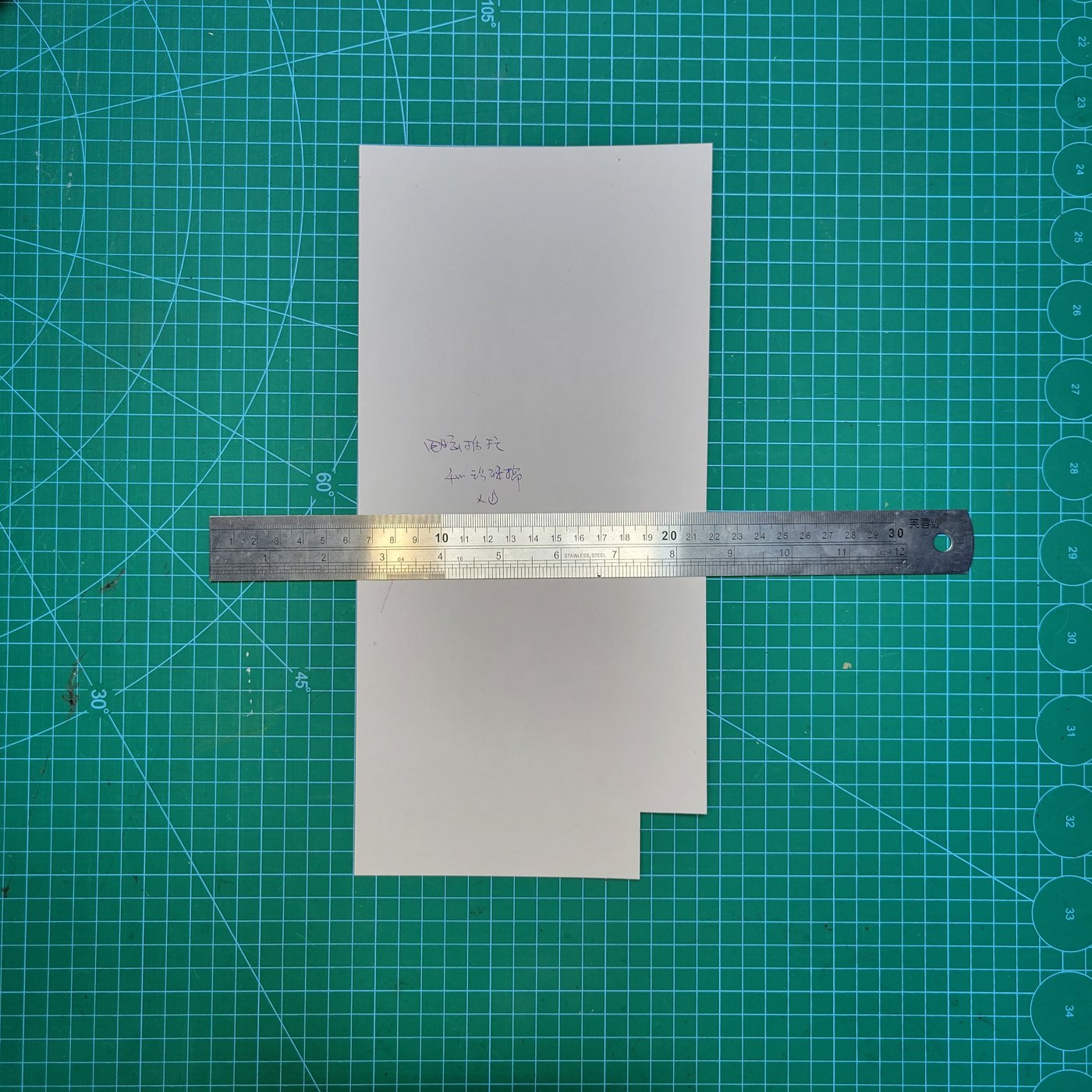
All of this is fixed in the paper pattern: wall heights, base size, the position of the back sleeve and every pocket opening. A change after the pattern is approved costs a sample round, so we confirm the pattern dimensions with you first.
3. Fit on the passenger seat
Seats differ more than buyers expect. Before sampling we need a few measurements from the vehicles you are designing for, or from a typical seat in your target market:
- Seat cushion width and depth where the organizer will stand
- Seatback height from the cushion to where the back sleeve or strap will sit
- Where the seatbelt runs when buckled, so the back sleeve sits at the right height
- How much a typical handbag of your customers weighs, so walls and base are sized for it
The organizer is an accessory for an empty passenger seat. Your user instructions should say so and explain how to fix it with the seatbelt or strap; we build the sample to the fixing method you choose and check it on a real seat before approval.
4. From concept image to approved sample
Most enquiries for this product start with a concept image or a reference product, not a tech pack. That is a normal starting point; our guide make it from your sample, photos or drawings explains each route in detail.
- Brief review. We read your concept, ask about size, materials, fixing method and logo, and list the open items.
- Pattern and structure. Paper patterns for walls, base, pockets and sleeve, with the reinforcement sized for each panel.
- Material and hardware matching. Microfiber leather or PVC colours, lining, boards, zips, D-rings and logo plate are matched to your references.
- Cutting. Panels and boards are cut to the pattern.
- First sample. About 7–15 days once the brief is clear.
- Review and revisions. You check fit, look and function and send marked-up photos; we revise and confirm what changed.
- Approved sample = bulk standard. The approved sample and its material record are what bulk is checked against.
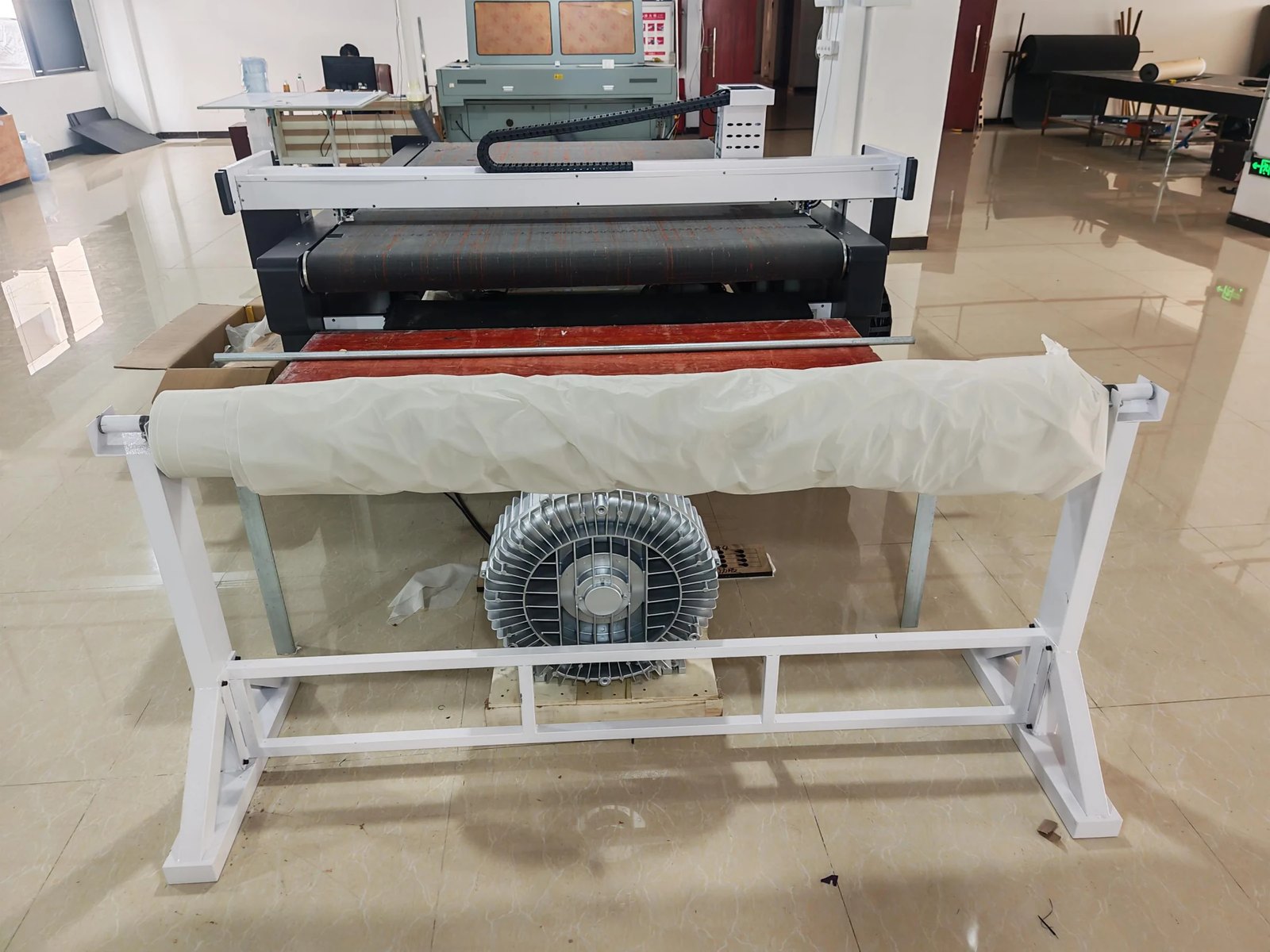
Exterior materials come on rolls and are cut to the approved pattern, so every panel of the same part has the same size and direction.
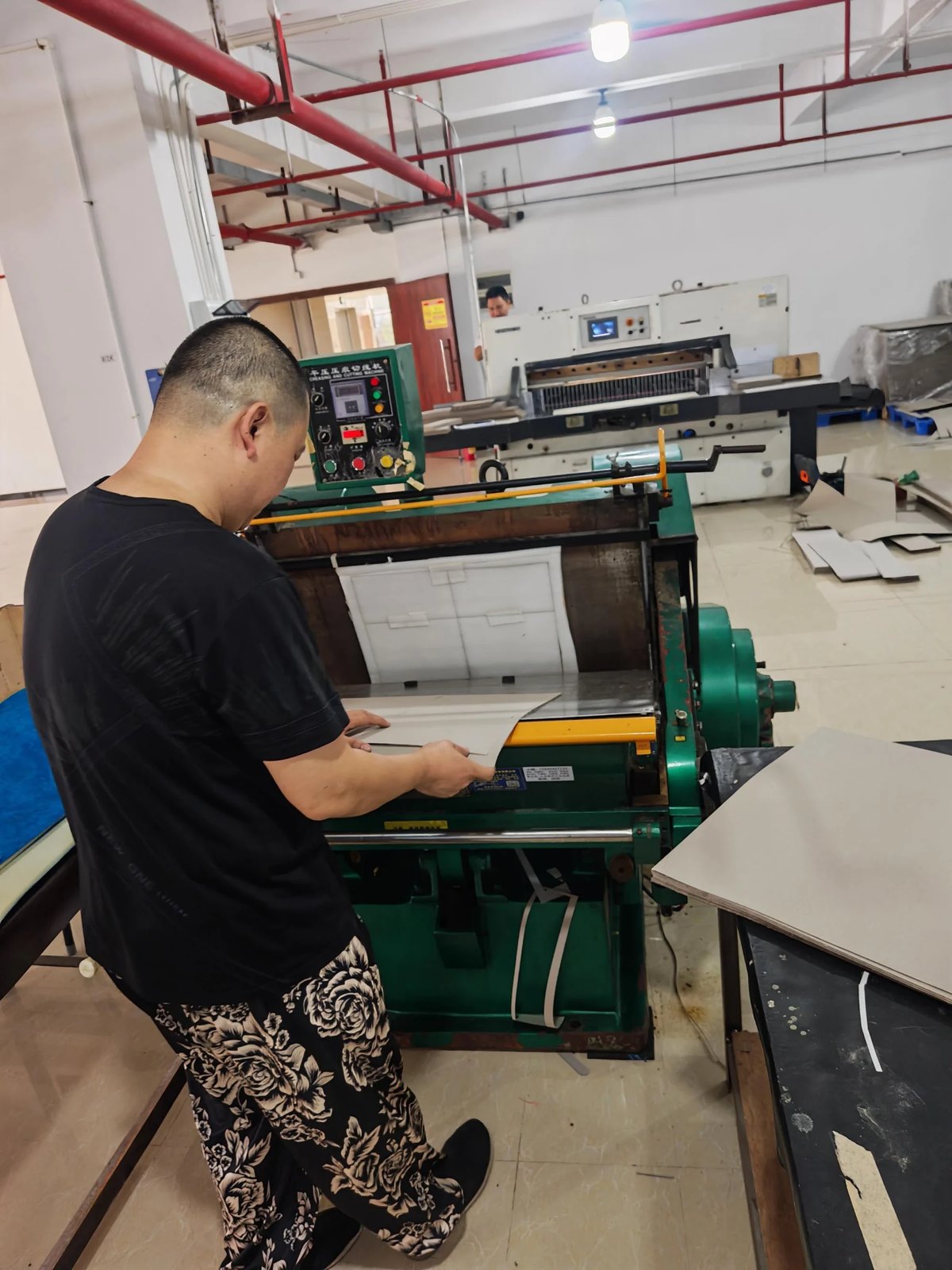
The boards that give the walls their stiffness are cut as separate parts. Their size is checked on the sample: too large and the seams pull, too small and the wall folds.
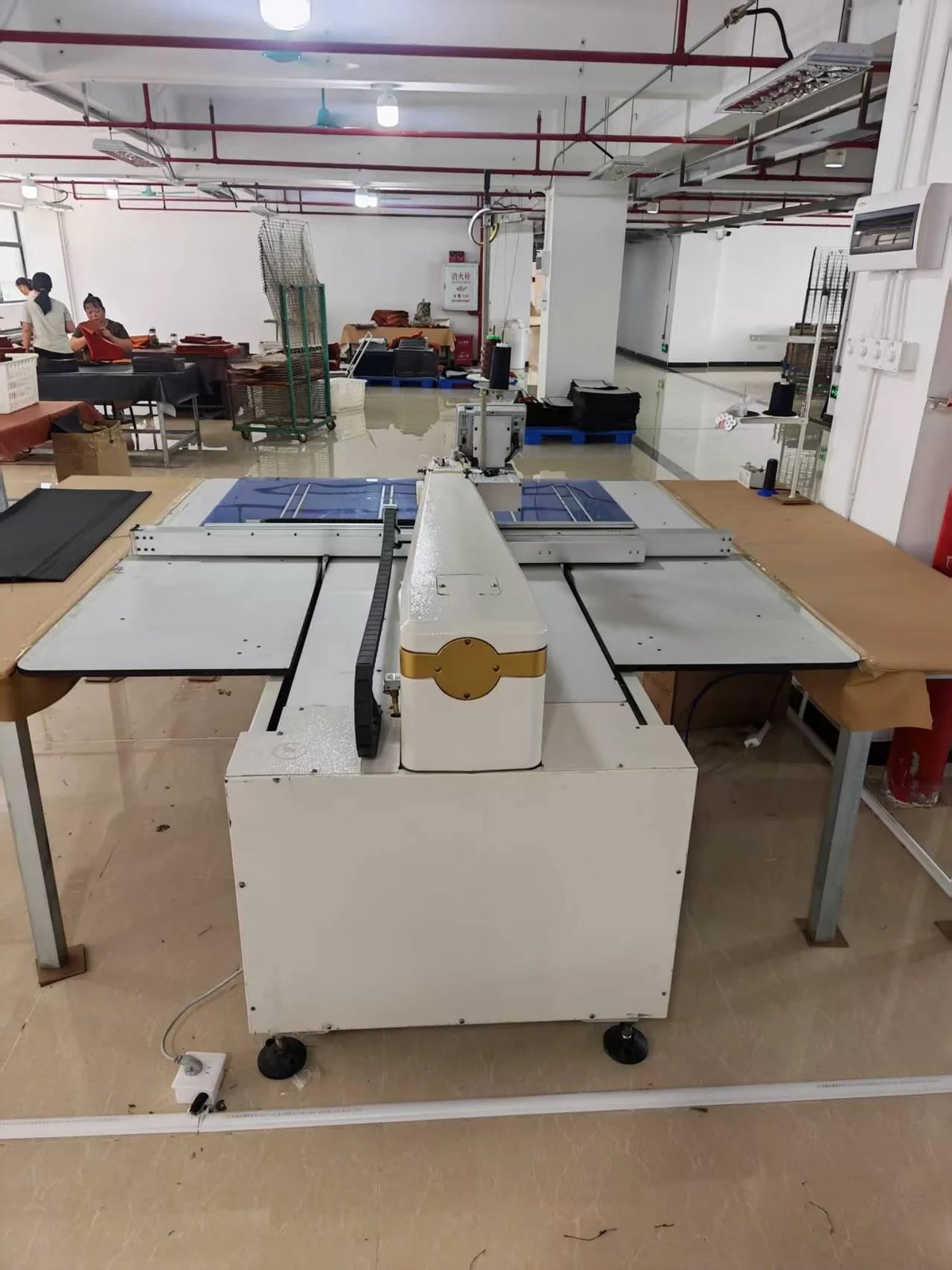
Repeated stitch lines — pocket outlines, quilting, decorative topstitching — can be sewn on templates, which keeps them identical from the first piece to the last.
5. Bulk production and quality
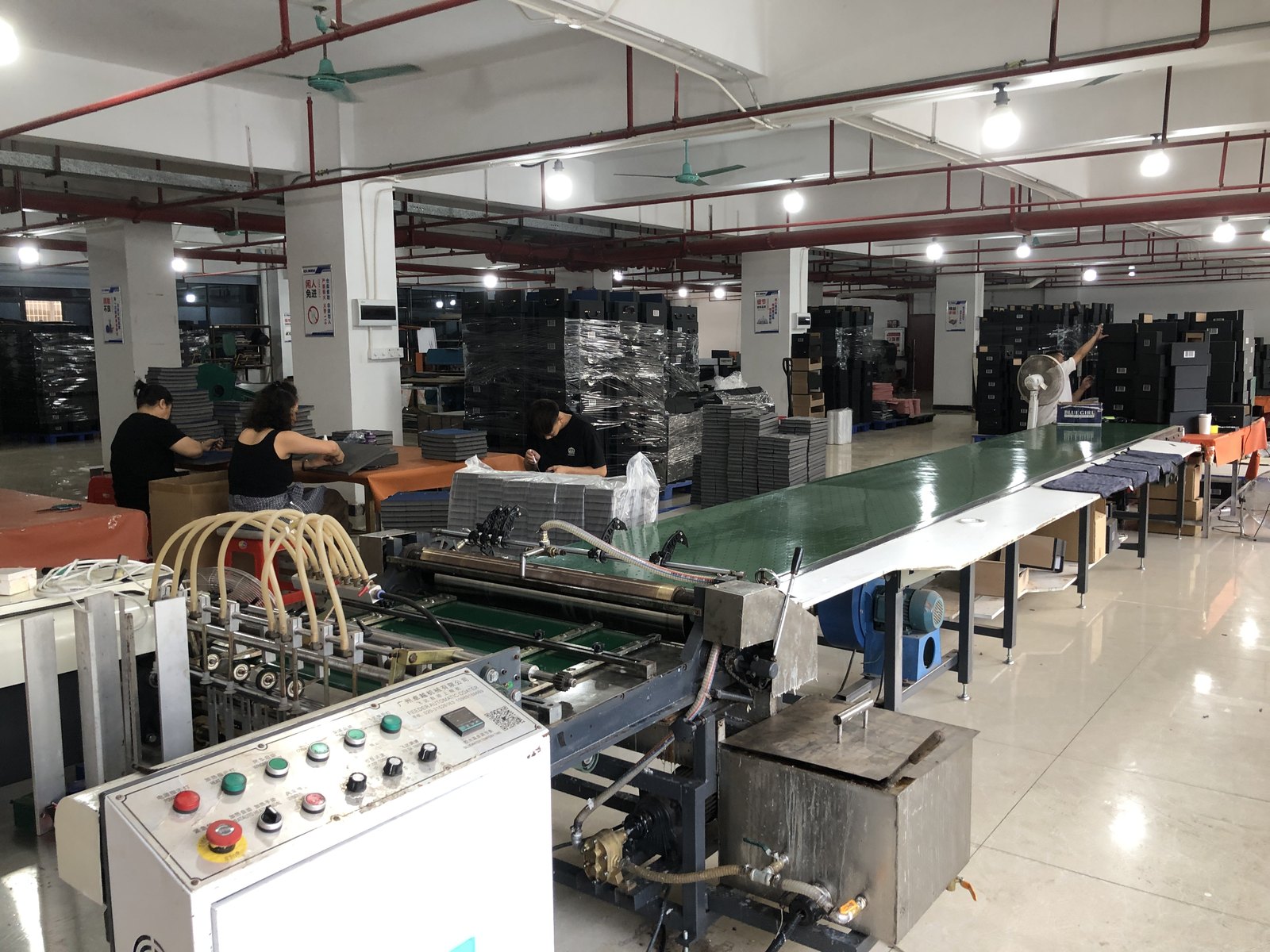
After approval, bulk is made to the approved sample and inspected against it during and after production, together with basic testing. If your market or retailer requires it, we can help arrange test reports from professional third-party labs, and you are welcome to appoint your own third-party inspection before shipment.
6. Checklist for your first email
- Concept image, reference product or drawing — and what you want changed
- Outer size and the largest handbag it must hold
- Exterior material direction: microfiber leather, PVC synthetic leather or full-grain leather; colours
- Pocket list with the items each pocket holds
- Fixing method: seatbelt sleeve, strap around the seatback, or both
- Fold-flat or fixed shape
- Logo method and position; hardware colour
- Packaging: polybag, retail box, units per carton
- Quantity range and target market
- What the first sample has to prove (fit, look, stability)
7. Common gaps that slow development
- Concept image without dimensions — add the outer size and the bag it must hold.
- “Premium” without a reference — send a photo of a handbag or accessory whose finish you want to match.
- Fold-flat decided after sample 1 — it changes the pattern and the boards.
- Pockets sized by guess — measure the phone, bottle and sunglasses case your customers use.
- Fixing method left open — the position of the back sleeve or strap depends on it.
- Logo plate chosen late — its size moves the front panel layout.
Related pages
Vehicle organizers and trunk storage: automotive storage. Bags and leather goods: functional bags. Service overview: custom product development. Questions on samples, payment and inspection: OEM sourcing FAQ.
FAQ
Do you have a ready-made car handbag organizer?
No. We develop it as an OEM/ODM project from your concept image, reference sample or drawings, for your brand. We do not sell a stock model with another brand’s design.
Which materials can be used for a premium car handbag organizer?
Usually microfiber leather or PVC synthetic leather outside, with a smooth or brushed lining and board or foam reinforcement in the walls. Full-grain leather is possible for leather-goods projects.
How does the organizer stay in place on the passenger seat?
Most designs use a sleeve on the back that the seatbelt passes through, or a strap around the seatback, plus a stable base. We build the fixing method you choose and check it on a real seat before approval.
How long does the first sample take?
About 7–15 days once the brief is clear. Further rounds depend on what changes after your review.
Can you add our logo and make it fold flat for shipping?
Yes. Logo methods such as metal plate, deboss, emboss, embroidery or print are available through our upstream suppliers. A fold-flat version is possible when it is planned in the pattern before the first sample.
Next step: send your concept
Email info@dinleey.com with your concept image or reference product, the outer size, the largest bag it must hold, your material direction, quantity range and target market. An NDA can be signed before you share drawings, and we reply within 1 business day (Mon–Fri 9:00–18:00 China time). You can also use the contact and quote form or WhatsApp.